
You’re standing in your closet, staring at clothes you haven’t worn in months, and feeling that familiar tightness in your chest. Your kitchen counters are cluttered with gadgets you swore you’d use. Your mind is racing with where to put the new Amazon delivery. And somewhere beneath all of it, there’s a quiet voice asking: Is this really what I wanted my life to feel like?
That heaviness you’re carrying isn’t just about the physical clutter—it’s your soul asking for permission to breathe. Today, I’m going to show you eight gentle, grounding habits that naturally minimalist people practice, not because they’re trying to live in an empty white box, but because they’ve learned that having less of what doesn’t matter makes room for more of what does.
And I’ll show you how to start this shift without the overwhelm, one tender choice at a time.
Why Your Clutter Feels Like a Weight on Your Heart
Before we dive into the how, let’s honor the why. Minimalism isn’t about deprivation or some Instagram-perfect aesthetic. It’s about recognizing that every item you own asks something of you—your attention, your time, your mental energy, your money to maintain it. When you’re surrounded by things that don’t truly serve or delight you, you’re bleeding energy that could be flowing toward your relationships, your dreams, your healing.
Habit 1: They Get Honest About What They’re Really Filling
The first habit of people who’ve found their way to minimalism? They’ve done the inner work. They’ve asked themselves the uncomfortable questions: Am I buying things to fill a void? Am I holding onto items because they represent who I wish I was instead of who I am? Am I afraid that without all this stuff, I won’t be enough?
This isn’t about shame—it’s about awareness. Shopping can be a temporary balm for loneliness, stress, or a sense of inadequacy. Holding onto things can be a way of holding onto an identity that no longer fits. And accumulating can feel like building a fortress against the fear that we’re not successful enough, prepared enough, or worthy enough.
What to do tonight: Set a timer for five minutes. Pour yourself tea or light a candle. In your journal, complete this sentence five times: “I hold onto things because…” Don’t edit yourself. Just write. The patterns will reveal themselves.
Habit 2: They Set Intentions, Not Just Rules

Minimalism isn’t one-size-fits-all. What feels spacious and peaceful to one person might feel cold and sparse to another. People who thrive with less don’t follow someone else’s rulebook—they write their own based on what they actually value.
Maybe you’re someone who needs a fully stocked kitchen because cooking is your love language. Maybe you’re a reader who refuses to part with books because they’re portals to other worlds. Maybe you collect crystals or art supplies or vintage records, and those things genuinely light you up. That’s not clutter—that’s aligned living.
The key is intentionality. Psychologist Rebecca Cooper-Bridger teaches that minimalism works as an intervention when we use it to reduce decision fatigue and create constraints that paradoxically increase our freedom. When you’re not constantly deciding what to wear from a closet of 100 items you don’t love, you have more mental energy for the decisions that actually shape your life.
What to do today: Write down three to five things that matter most to you—maybe it’s deep conversations, time in nature, creative expression, spiritual practice, or quality time with your kids. Now ask yourself: Does the way I’m living my life right now reflect these values? Where is my time and energy actually going?
Habit 3: They Start With a Clean Slate (But Gently)
There’s something deeply cathartic about the Marie Kondo-style purge—emptying everything out and only bringing back what you truly need and love. But here’s what the minimalist gurus don’t always tell you: going from cluttered to clear can be overwhelming, even traumatic, if you rush it.
The people who sustain minimalist living don’t white-knuckle their way through one massive decluttering weekend. They approach it like a sacred ritual, with respect for the attachments they’ve formed and the emotions that will come up.
- Keep: Things you use regularly and items that genuinely bring you joy or serve a clear purpose
- Maybe: Things you’re not sure about (more on this in a moment)
- Release: Items you don’t use, don’t like, or keep out of obligation
For the “maybe” pile, here’s a gentle approach from occupational therapist Judith Pinto: box them up, label the box with its contents, and set it aside. If you don’t go looking for anything in that box within six months, you have your answer. Donate, sell, or gift it without guilt.
Habit 4: They’ve Broken Up With Impulse Shopping
Let me tell you something that might sting a little: every time you walk into a store “just to browse” or scroll through your favorite online shop “just to see what’s new,” you’re inviting desire where there wasn’t any before. You’re opening a door to wanting.
People who live lightly have learned to close that door. They don’t shop as entertainment. They don’t buy things to feel better. They certainly don’t go on one last shopping spree before “starting minimalism” (which is like eating an entire cake before a diet—it misses the whole point).
Life coach Alex Mathers teaches that a minimalist wardrobe isn’t about deprivation—it’s about liberation. When you have one pair of perfectly-fitting jeans you love, one versatile black blazer, one pair of comfortable but elegant flats, and a small rotation of quality basics, getting dressed becomes effortless. No decision fatigue. No “I have nothing to wear” moments in front of a packed closet.
What to do starting now: Implement the 30-day rule. When you want to buy something (that isn’t a genuine need), wait 30 days. Put it on a list. If you still want it after 30 days, and you can name exactly where it will live and how you’ll use it, consider it. You’ll be shocked how many things lose their appeal once the dopamine hit of “new” wears off.
Also, unsubscribe from marketing emails. Unfollow shopping accounts on social media. Stop feeding the machine that profits from your discontent.
Habit 5: They Create Sacred Spaces Where Clutter Can’t Live
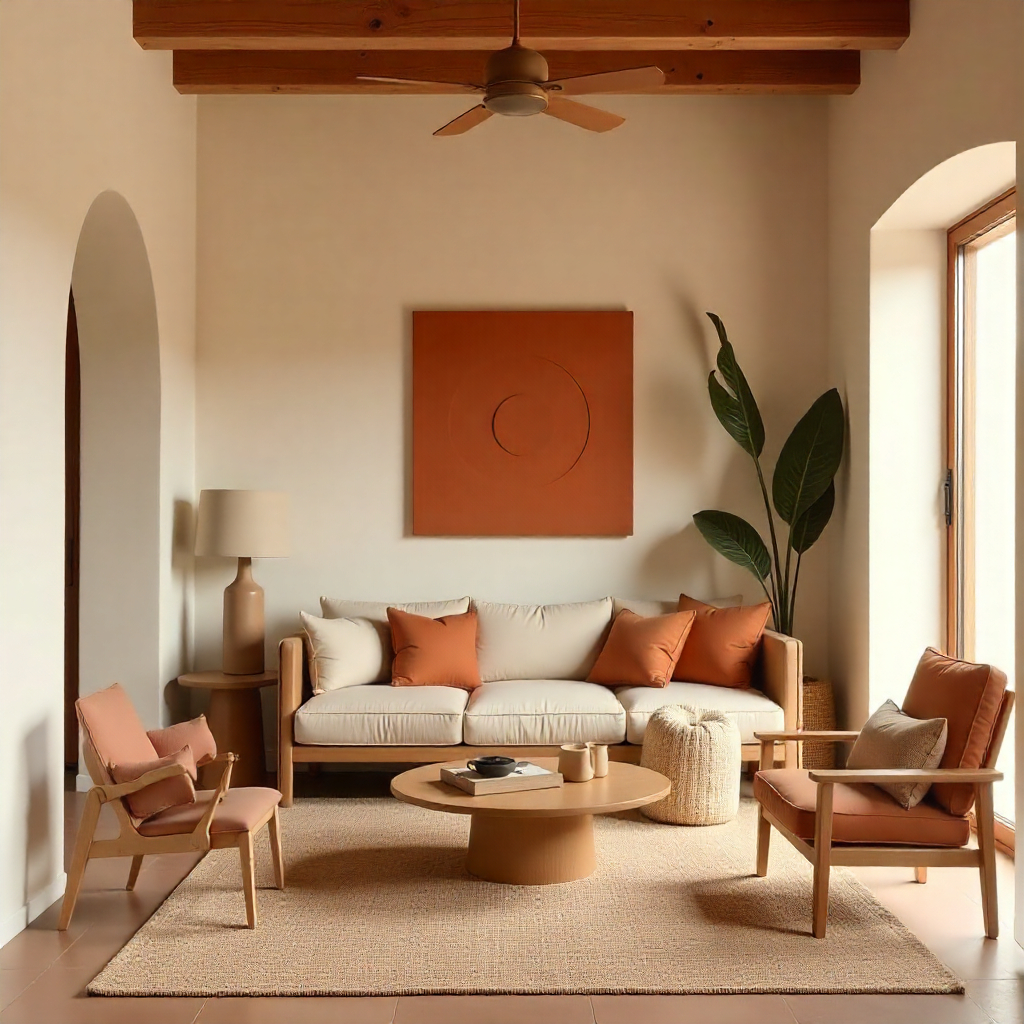
Here’s a secret that makes minimalism sustainable: you don’t have to transform your entire life overnight. You create one clutter-free zone, and you protect it like it’s holy ground.
Start small. Maybe it’s your bedside table—just that one surface remains clear every night before you go to sleep. Or your kitchen counter—just that one section stays clean and open. Or the chair in your bedroom where clothes usually pile up—from now on, that chair is for sitting, not storing.
This practice does two things. First, it gives you a daily taste of what spaciousness feels like, which motivates you to expand it. Second, it trains your brain to maintain order rather than constantly create it.
What to do this week: Declare your no-clutter zone. Take a photo of it clean and clear. Put that photo as your phone wallpaper. Every night, take two minutes to restore it. Just two minutes. Notice how it becomes a meditation, a ritual of closing your day with intention.
Habit 6: They Organize What Remains With Reverence
After you’ve released what doesn’t serve you, what’s left deserves to be honored. People who live minimally don’t just have less—they organize what remains so beautifully that every item has a home, and finding what you need feels easy, almost meditative.
Organizing expert Diane Quintana teaches that organizing by category is transformational. Group all your towels together. All your cleaning supplies in one place. All your craft materials in another. This way, you can see exactly what you have (preventing duplicate purchases), and everything is easy to find.
A good guideline: keep two to three of anything. Two sets of sheets per bed. Three bath towels per person. Two good knives in the kitchen instead of a drawer full of mediocre ones. This is enough for life and laundry cycles, but not so much that you’re drowning in abundance you don’t use.
What to do this weekend: Pick one category—maybe it’s your coffee mugs or your cleaning products or your hair care items. Gather every single one from wherever they’re hiding. Lay them all out. You’ll probably be shocked by how many you have. Keep only what you truly use and love. Donate the rest.
Then create one designated spot where they live, and commit to always putting them back there.
Habit 7: They Pack Light and Live Lighter
Here’s where minimalism gets tested: travel. When you’re packing for a trip, your instinct might be to bring options, backups, and “just in case” items. But people who’ve embraced simplicity know that traveling light isn’t just about avoiding baggage fees—it’s about freedom.
When you pack only what you need, you’re not weighed down. You’re nimble. You have mental energy for the experience instead of managing stuff. Psychologist Dr. Sharon Saline reminds us that organization is about creating space for well-being to flourish. When you’re not lugging around three pairs of shoes you won’t wear, you have more energy for joy.
What to do next time you travel: Before you pack, lay out everything you think you need. Then remove one-third of it. I promise you won’t miss it, and you’ll feel so much lighter.
Habit 8: They Practice Compassion, Not Perfection
Let me be clear about something: minimalism is not an all-or-nothing identity. You don’t get graded on how empty your shelves are. You’re not in competition with anyone’s aesthetic Instagram feed. This is a practice, not a performance.
People who sustain minimalist living give themselves grace. They don’t judge themselves for keeping the sentimental items that matter or for the days when the clutter creeps back in. They simply notice, gently redirect, and start again.
Judith Pinto offers this wisdom: “Minimalism can be harmful if you get sucked into all-or-nothing thinking and get rid of things that add purpose, meaning, and value to your life. Do it your way.”
This also means not judging others who aren’t on this path. Your sister who loves her collections? She’s not wrong. Your friend who finds joy in abundance? That’s her path. Minimalism is a personal choice, not a moral high ground.
Then take one small action—clear one surface, donate one item, put one thing back in its home.
Beyond the Basics: Living Your Values
Once you’ve created more space in your home and your life, you’ll notice something beautiful: you have more room for what truly matters. More time because you’re not cleaning and managing as much. More money because you’re not constantly buying. More energy because you’re not living in visual chaos.
This is when minimalism becomes less about what you don’t have and more about what you do. You have time for long walks. For phone calls with friends. For that creative project you’ve been putting off. For simply sitting in stillness without the background hum of “I should organize that closet.”
Shop for quality, not quantity: One beautiful, well-made coat you’ll wear for ten years instead of five cheap ones you’ll replace every season.
Your 7-Day Gentle Start Practice
- Day 1: Choose your first no-clutter zone and clear it
- Day 2: Journal on what you’re really filling with stuff
- Day 3: Unsubscribe from five marketing emails
- Day 4: Tackle one junk drawer
- Day 5: Go through your closet and remove anything that doesn’t fit or make you feel good
- Day 6: Create a donation box and place it somewhere visible
- Day 7: Sit in your clearest space for ten minutes and just breathe. Notice how it feels.
This isn’t about perfection. It’s about direction. Every small choice toward simplicity is a vote for the life you’re growing into.
You Don’t Have to Do This Alone
The Real Promise of Less
Here’s what I want you to know: you’re not being asked to become someone you’re not. You’re being invited to remove the layers that are hiding who you truly are. Beneath all the stuff you don’t need, don’t use, and don’t love, there’s a version of you that moves through life more lightly, more freely, more joyfully.
You’re not giving up abundance—you’re redefining it. Real abundance isn’t a packed closet. It’s time in the morning to drink your coffee slowly. It’s a home where you can find what you need without frustration. It’s savings in your account because you’re not bleeding money on things that don’t matter.
It’s the peace of mind that comes from living in alignment with who you are and what you value.
That’s what’s waiting for you on the other side of clutter. Not emptiness. Freedom.
Start small. Be gentle with yourself. Trust that every single thing you release makes room for something better—often, for more of yourself.