
You’ve noticed the shift. He’s shorter with you. Less affectionate. More absorbed in his phone, his work, anything but the life you’re building together. You ask what’s wrong and he says “nothing,” but his body language screams everything.
Here’s what most relationship advice won’t tell you: when a man pulls away like this, it’s rarely about you doing something catastrophic. It’s about him feeling fundamentally unseen—disrespected in the one place where respect should be guaranteed.
Respect isn’t just a courteous “please” and “thank you.” For many men, respect is how they experience love. When it disappears from home, they don’t always have the words to name what’s missing, so their behavior speaks for them.
Today, I’m walking you through 11 patterns that emerge when a man feels chronically undervalued—and more importantly, what you can do before the distance becomes permanent.
Why Respect Hits Different for Men
Before we dive into the behaviors, let’s ground ourselves in why this matters so deeply. Relationship coach Veronika Amaya explains that respect for men isn’t about ego or control—it’s about being seen as capable, trusted, and emotionally secure. When respect is present, a man feels safe enough to be vulnerable, playful, and fully present. When it’s absent, he armors up.
Think of it this way: many women need verbal affirmation and emotional intimacy to feel loved. Many men need respect and appreciation. Neither is more valid; they’re just different love dialects. When you criticize his decisions, dismiss his contributions, or roll your eyes at his suggestions, he doesn’t just feel annoyed—he feels unloved.
11 Behaviors That Signal He Feels Disrespected
1. He Goes Emotionally Silent

The conversations turn shallow. He stops sharing his worries about work, his dreams for the future, the little observations that used to spark connection. When you ask how he’s doing, you get one-word answers: “Fine.” “Tired.” “Busy.”
This emotional withdrawal isn’t punishment—it’s self-protection. Vulnerability requires safety, and when someone feels disrespected, they can’t risk showing their tender underbelly. Why would he open up to someone who seems to criticize or dismiss him?
2. Home Becomes His Last-Choice Destination
Notice how he lingers at work? Hits the gym more? Plans more boys’ nights? He’s not necessarily avoiding you—he’s avoiding how he feels when he’s with you.
Therapist Elisa Thomas notes that when someone stays in an emotionally unsafe environment, anxiety and depression build up. Your partner isn’t weak for needing spaces where he feels valued; he’s human. We all gravitate toward places where we feel seen and celebrated.
3. His Effort Drops to Zero
Remember when he used to plan surprises? Text you during the day? Make an effort with your friends and family? That version of him didn’t disappear because he stopped loving you—he disappeared because his efforts felt invisible.
When someone pours energy into a relationship and receives criticism instead of gratitude, they burn out. Eventually, he thinks: “Why bother?” It’s not mature, but it’s predictable. Unappreciated effort dies quietly.
4. Irritability Becomes His Baseline
Small things set him off. The tone is sharp. Patience evaporates. He’s on edge in ways that feel out of proportion to the actual issue.
Mental health professional Austin Rausch explains that chronic irritability often signals unresolved anger or hurt. Your partner isn’t angry about the dish in the sink—he’s angry about feeling taken for granted, and the dish is just the trigger.
5. Physical Affection Disappears

The hand-holding stops. The spontaneous kisses vanish. Even sitting close on the couch feels forced. When a man feels disrespected, physical affection often becomes the first thing he withdraws.
Why? Because affection is vulnerability, and he’s protecting himself. But also—and this is harder to admit—withdrawing affection is one of the few ways he knows how to communicate his pain when words fail him.
This creates a vicious cycle: she feels rejected by the lack of touch, which may trigger more criticism, which makes him withdraw further.
6. He Seeks Validation Elsewhere
When he can’t find appreciation at home, he’ll look for it at work, with friends, online—anywhere people notice his value. This isn’t always dangerous, but relationship expert Debra Barnes-Hamilton warns it’s a vulnerability point for affairs.
He’s not looking to cheat; he’s looking to feel valued. When someone outside the relationship gives him the respect and admiration he’s been starving for at home, it feels intoxicating.
7. Criticism Becomes His Default Language
Hurt people hurt people. When your partner feels chronically disrespected, he may start picking apart everything you do. Your cooking. Your parenting. Your work. Nothing measures up.
This isn’t really about you—it’s a defense mechanism. If he feels inadequate in your eyes, subconsciously he thinks tearing you down will level the playing field. It’s toxic, yes, but it’s also a symptom of deeper pain.
8. Distraction Becomes His Escape
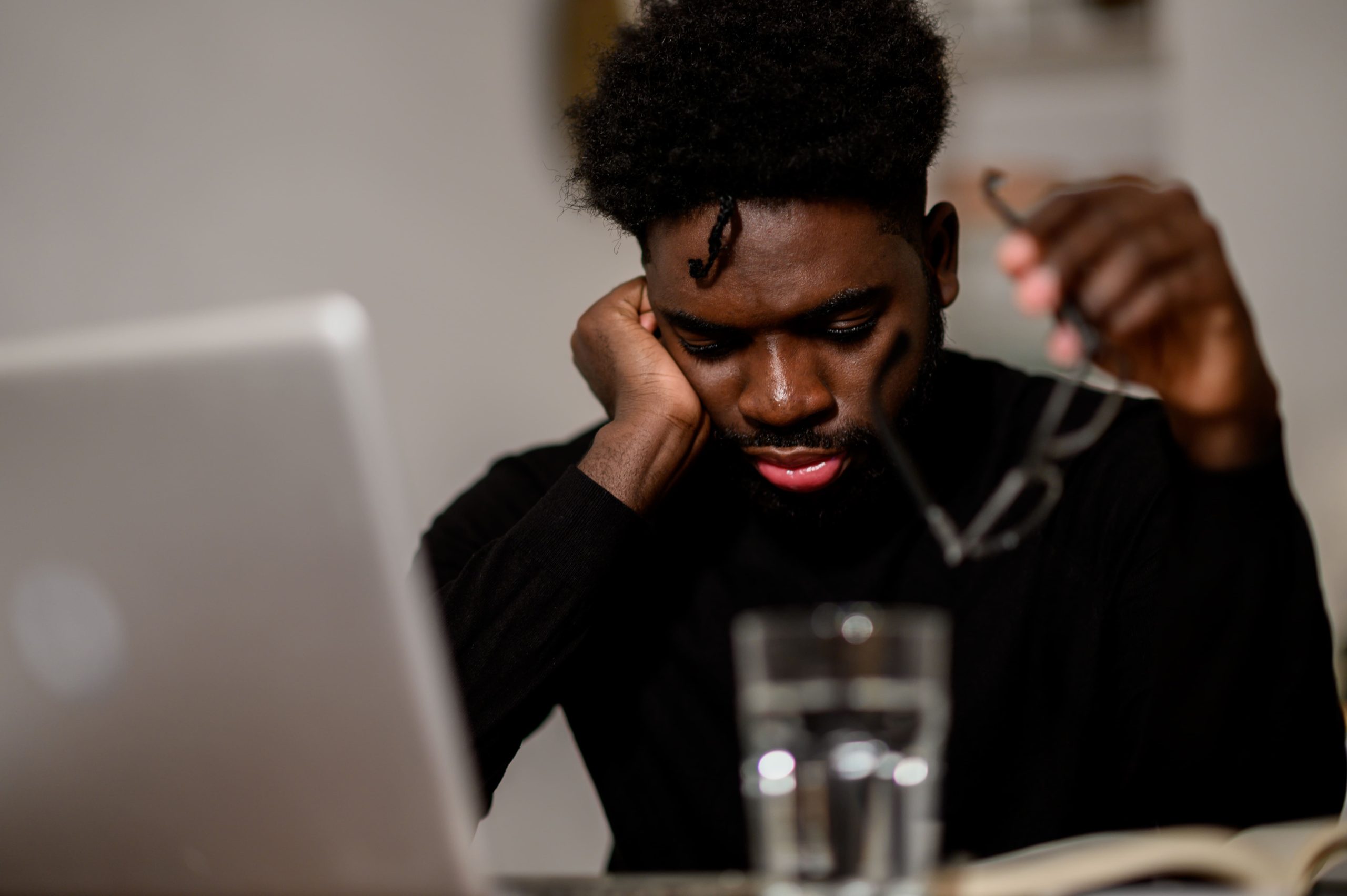
Video games. Social media scrolling. Sports obsession. Work that never ends. When used moderately, these are healthy outlets. When they become all-consuming, they’re often escape hatches from emotional pain.
He’s not choosing the screen over you because it’s more interesting—he’s choosing it because it’s easier than sitting with how undervalued he feels. Distraction numbs temporarily, even though it solves nothing.
9. His Feelings Get Locked in a Vault
Most men already struggle with vulnerability. Add feelings of disrespect, and communication becomes nearly impossible. He bottles it all up, hoping you’ll somehow intuit what’s wrong.
Mental health counselor Sara Makin explains that vulnerability feels like a double-edged sword for men—essential for connection, but terrifying when they already feel unsafe. The fear of additional rejection outweighs the potential relief of opening up.
10. He Starts Thinking About Leaving
When disrespect reaches critical mass, moving out or divorce starts looking like relief. This can blindside partners who didn’t realize how serious things had become.
He’s not leaving because he stopped loving you—he’s leaving because he’s exhausted from feeling like he’s never enough. He wants to find someone who celebrates him instead of criticizes him.
11. His Self-Worth Takes a Hit
Perhaps the most damaging long-term effect: chronic disrespect erodes a man’s sense of his own value. Dr. Peter House points out a painful irony—both men and women often feel unappreciated in relationships, but women are more likely to talk about it and demand change. Men tend to suffer silently until they implode or walk away.
When your partner stops feeling valued at home, his entire sense of identity can crumble. That ego everyone thinks is so strong? It’s actually built on feeling respected by the people who matter most.
The Path Back to Connection
Here’s the truth most relationship advice skips: noticing these patterns doesn’t mean your relationship is doomed. It means you’re aware, and awareness is where healing starts.
If you recognize your partner in these behaviors, it’s time for honest self-reflection. Have you been more critical than appreciative? Do you dismiss his ideas or contributions? Have you been treating him like a problem to fix instead of a partner to celebrate?
Your 7-Day Respect Practice
- Day 1-2: Notice and name three things he does that make your life better
- Day 3-4: Ask him what respect means to him and listen without defending
- Day 5-6: Choose appreciation over criticism, even when he doesn’t do things your way
- Day 7: Have the bigger conversation about what you both need to feel valued
Respect isn’t about one person being superior. It’s about recognizing each other’s inherent worth and creating emotional safety where both of you can thrive.
If this resonates and you’d like a gentle hand putting it into practice, download the The-Respect-Revival-Ritual-Kit—and if you still feel stuck, we’re here.