

We live in a culture where children’s bodies are often treated like community property. Decisions that should be sacred, personal, and intuitive are routinely debated not with the child in mind, but with outdated norms as the loudest voice in the room.
One single father recently went viral for refusing to let his daughter get her ears pierced, and the backlash was instant. He was called a misogynist, a control freak, even emotionally abusive. But the real story beneath the headlines isn’t about earrings. It’s about who we believe has the right to make decisions over a young girl’s body and why that still makes people uncomfortable.
Let’s go deeper into what this moment reveals about bodily autonomy, emotional safety, and the subtle ways parents can unintentionally contribute to generational cycles of control and shame even when they’re trying to do the right thing.
The Father Who Said No And Got Dragged For It

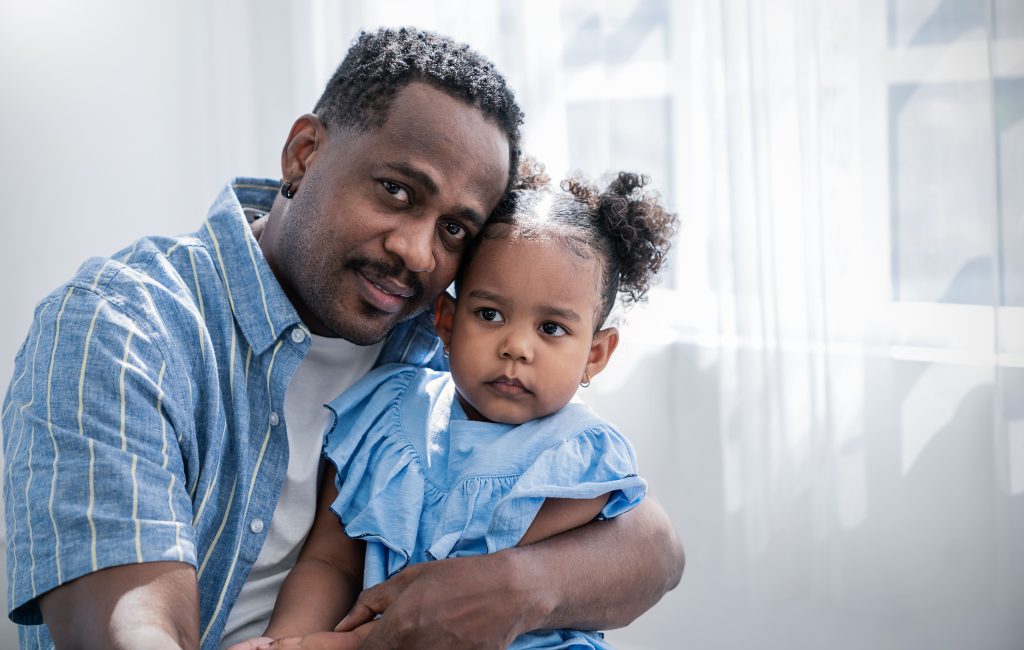
According to the post making rounds on social media, the father shared that his young daughter, whom he is raising alone, asked to get her ears pierced. He responded that she could do it when she was older when she could truly understand what it meant and make the decision from her own body autonomy.
Seems thoughtful, right? Especially when you consider how many children are pushed into beauty modifications long before they understand what consent even means. But online commenters didn’t see it that way. They labeled him a misogynist for “denying her femininity,” as though identity can only be validated through pierced ears and gender performance.
This story stirred strong reactions not just because of the topic, but because of what it poked at underneath: our unresolved discomfort with girls having boundaries.
If you’ve ever experienced the tension between honoring your child’s agency and navigating cultural expectations, this scenario might feel painfully familiar. In this piece on what happens when parents stop parenting out of fear of traumatizing their kids, we explore how fear of misstepping can paralyze parents into inaction or worse, performing for approval rather than truly leading.
Why Girls Are Expected To Be Palatable Even As Children

The expectation that girls should wear earrings isn’t just about fashion. It’s about signaling compliance with cultural beauty standards. From toddlerhood, girls are nudged toward grooming, accessorizing, and appearing pleasing often without understanding why.
When a father resists that norm, it disrupts the illusion that femininity must be earned through appearance. It confronts the unsettling truth: that we often sexualize and aestheticize girls far earlier than we’d like to admit.
The outrage isn’t truly about earrings it’s about what happens when a girl is encouraged to wait, think, and choose. It threatens a culture built on automatic conformity.
We explore this deeper in the story of a fatherless bride finding empowerment in unexpected connection. Sometimes, parental love looks like disrupting generational narratives. Sometimes, it’s about choosing discomfort now for your child’s self-trust later.
The Danger of Mislabeling Protection as Misogyny
Words like “misogyny” matter. When weaponized incorrectly, they dilute real conversations about oppression. In this case, the father wasn’t denying his daughter’s identity. He was creating space for her to define it on her own timeline.
Misogyny is control over a woman’s body. Autonomy is saying: “You get to decide, and I’ll protect that right until you’re ready.”
What’s disturbing is how quickly people labeled a man’s refusal to control as controlling. This reversal isn’t rare. In this exploration of when your spouse quietly dislikes you but won’t say it, we uncover how avoidance, masked as passivity, is its own form of manipulation. True respect is often mistaken for withdrawal when people are used to performative affection.
The same confusion applies to parenting. Boundaries are mislabeled as coldness. Consent is viewed as overthinking. The problem isn’t the parenting it’s the lens we’re using to interpret it.
Why Consent Must Be Taught Through Experience, Not Just Talk

Many adults say they value consent, but fail to model it in the home. If a child is forced to hug relatives, to accept grooming decisions without input, or to disregard their discomfort for politeness they’re being taught that bodily autonomy is negotiable.
This dad’s refusal to pierce his daughter’s ears without her mature consent wasn’t anti-feminist it was foundational consent education. It was preparing her to trust her body, her preferences, her voice.
And let’s be honest many of us are still unlearning this. In this piece on what to do when anger surfaces in intimacy, we explore how emotional volatility is often a symptom of boundary confusion. Consent isn’t just about physical touch. It’s about honoring emotional, energetic, and psychological space.
That learning begins early. And this father is modeling it.
The Cultural Projection Of Wounded Parenting
Much of the outrage online wasn’t really about this man. It was about people’s own parents. Their unresolved wounds. Their inner child rage at not being protected or not being allowed freedom.
When someone does something differently than how we were raised, it can feel like a threat. Like a judgment. And if we’re not emotionally grounded, we project shame.
In this exploration of subtle parenting mistakes that haunt adult relationships, we unpack how control often hides in seemingly “normal” parenting decisions. It’s not about earrings it’s about whether your child learns to trust themselves.
This man isn’t just raising a daughter. He’s raising a future woman who may one day say “no” and mean it. Who may be the only one in the room not laughing at a joke. Who may protect her own boundaries even when it’s inconvenient.
And that scares people.
Holding The Nuance: Protection Versus Projection
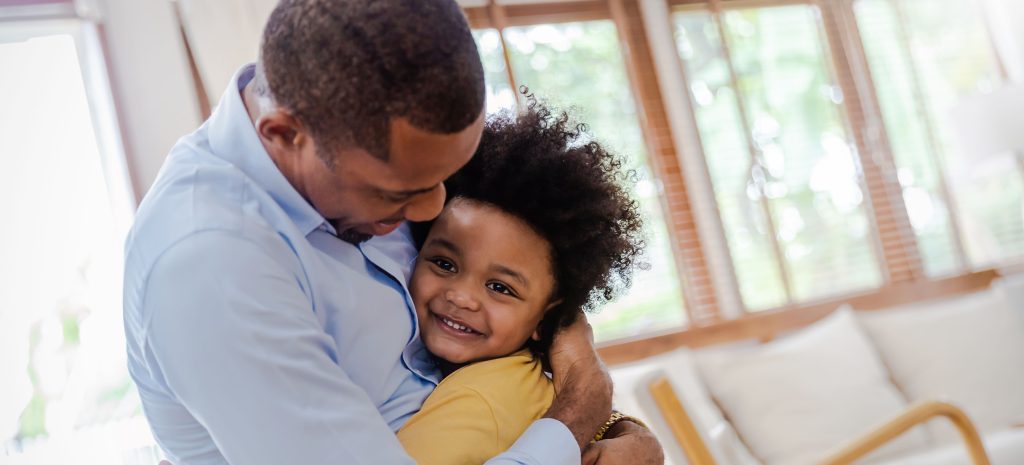
Of course, not every parent’s “no” is rooted in wisdom. Sometimes it’s fear. Sometimes it’s about maintaining control, not cultivating strength. The difference is in how the child is treated, not just the outcome.
This dad’s approach, as described, centers emotional maturity. He’s not saying, “You’ll never do this.” He’s saying, “You’ll decide when you’re truly ready.” That’s an act of trust in his daughter’s becoming.
Contrast this with more insidious dynamics, like the ones explored in 7 fake nice gestures men use to manipulate you into thinking he’s a good guy. The packaging of a decision matters. Is it coated in shame, or anchored in empowerment?
This father isn’t projecting his discomfort he’s protecting her agency.
What This Teaches Us About Emotional Safety
At the heart of this story is emotional safety a child learning that her body is her own. That her decisions are sacred. That love does not require compliance.
And emotional safety, as we’ve written about in 5 soul-deep signs he loves you unconditionally, is not always loud or dramatic. Sometimes, it’s quiet. Steady. Non-negotiable.
The best parents aren’t perfect. But they’re present. They’re willing to be misunderstood for the sake of their child’s wholeness. They’re willing to endure online criticism if it means their daughter doesn’t learn that beauty requires pain, or that femininity must be earned through piercings and public applause.
Not Everything Needs To Be A Performance
We live in an era of oversharing and virtue signaling. Every parenting decision becomes content. Every disagreement becomes a spectacle.
But parenting is sacred work. And sometimes, the right choice isn’t the popular one.
As we wrote in why some people find going to the dentist relaxing, our nervous systems crave spaces where we aren’t expected to perform. This father is giving his daughter one of those spaces where her decisions don’t have to be for show, where her growth doesn’t need applause.
Want To Parent From Emotional Wholeness, Not Fear?
You don’t have to get everything right. You just have to show up deeply, consistently, and with the courage to be different.
If you’re trying to reparent yourself while raising emotionally attuned children, you’re not alone. At ArcaneGuides, we offer tools and reflections to support you through these crossroads.
Start with a conversation. You can reach out here to share what you’re facing in your own parenting or healing journey.
Or read next: When parents stop parenting out of fear or subtle parenting mistakes that haunt adult relationships.
Want our latest toolkits, deep dives, and self-reflection prompts? Subscribe or browse our blog.
Your courage to break cycles matters. Even when no one claps for it. Especially then.