

Teachers see the world through a lens that many parents may never fully glimpse. Every day in the classroom, educators witness children’s triumphs and struggles often emotional, social, and psychological aspects that remain hidden at home. Yet many of these insights remain unspoken. Whether because of confidentiality rules, ethical boundaries, or simply to protect the child’s trust, teachers can’t always share everything they observe.
As a parent, this may leave you wondering: what exactly do teachers know but can’t tell you? How can you better support your child’s emotional and social development when crucial pieces of the puzzle are kept behind the classroom door?
In this article, we’ll explore five important truths teachers often see but cannot openly discuss. These insights will help you bridge the gap between home and school, building emotional safety, trust, and authentic connection with your child. Along the way, you’ll find links to related ArcaneGuides articles designed to deepen your understanding of emotional boundaries, parenting nuances, and relational growth.
1. Your Child May Be Hiding Anxiety Behind A Smile

Children are incredible actors. They can smile through discomfort, laugh through insecurity, and appear confident even when anxiety is quietly gnawing at them. Teachers see many kids who “seem fine” but internally are wrestling with feelings of worry, fear, or overwhelm.
Anxiety in children rarely shows up as outright panic or tears during school hours. Instead, it often masks itself through subtle signs: fidgeting, perfectionism, frequent bathroom trips, or reluctance to engage in social activities. Teachers notice these behaviors but often cannot label them directly to parents without clear consent or diagnosis.
This hidden anxiety can be confusing for parents, especially when the child seems happy at home. But this divide between outer appearance and inner experience is common. In fact, it mirrors adult emotional challenges, where surface-level composure masks deeper stress.
For parents wanting to better understand this complexity, we recommend exploring emotional burnout and recovery strategies. Learning how to spot energy drains and support restoration in children can create safer emotional spaces both at home and school.
Parent Reflection: Next time you talk with your child, gently ask: “What was one thing today that made you feel worried or unsure?” Let silence sit. Let curiosity lead. Don’t rush to fix or reassure. Sometimes, just witnessing is the best support.
2. Children Constantly Compare Themselves Even If You Don’t See It
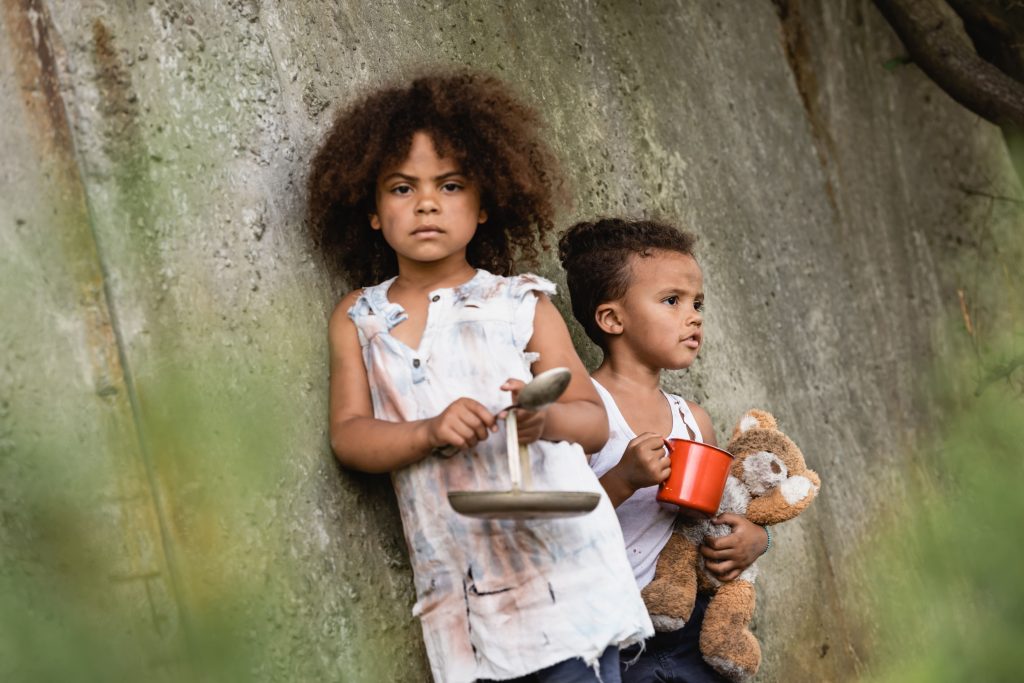
Classrooms are microcosms of society, and with that comes the relentless pressure to compare, measure, and compete. Teachers observe this every day: children comparing grades, friendships, talents, or even something as simple as who gets picked first for activities.
These comparisons are a natural part of identity formation, but they can also chip away at a child’s self-esteem if unchecked. Children might wonder why they don’t “fit in” or why they aren’t as “good” as others. Unfortunately, this internal dialogue often remains silent, hidden beneath a polite exterior.
Without awareness, parents might miss the emotional impact of this comparison game. It’s why emotional validation at home is critical. In our article on subtle parenting mistakes that haunt adult relationships, we explore how early emotional neglect can set patterns of insecurity that echo into adulthood.
Parent Action: Create rituals where your child feels genuinely seen for their unique qualities. For example, weekly share a moment when they felt proud of who they are not what they did. This simple practice reinforces identity beyond comparison.
3. Teachers Wish They Could Teach Emotional Intelligence More Openly

While academic curriculum focuses on reading, writing, and arithmetic, many teachers feel a deep desire to nurture emotional intelligence (EQ) in students. Emotional intelligence the ability to recognize, understand, and manage one’s own emotions and relationships is a key predictor of long-term success and wellbeing.
However, rigid school policies, time constraints, and confidentiality rules limit how much educators can openly discuss emotional issues with parents. Sometimes, they witness bullying, emotional withdrawal, or social isolation but cannot reveal the details for privacy reasons.
This leaves parents in the dark about critical social-emotional dynamics. And children may feel misunderstood if their emotional struggles remain invisible.
At ArcaneGuides, we emphasize the importance of emotional belonging as foundational to thriving relationships. Our article on when your spouse quietly dislikes you but won’t say it sheds light on how unspoken emotional dynamics create distance a useful parallel to what happens when kids’ emotional needs are unseen.
Parent Practice: Ask your child open-ended questions about feelings instead of behaviors. For example, “How did that make you feel?” rather than “Why did you do that?” Language shapes emotional awareness.
4. Secret Keeping Is A Dangerous Sign
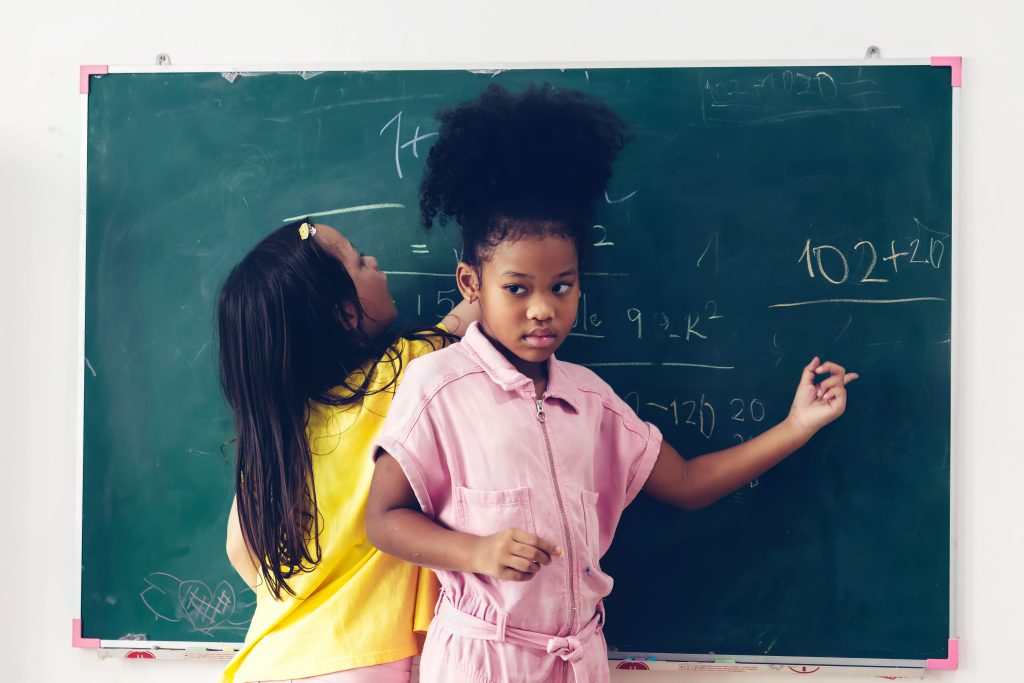
One of the clearest warning signs teachers encounter but often cannot share with parents is when children are encouraged to keep secrets especially secrets that involve discomfort, fear, or confusion.
A surprise birthday party is one thing; a secret that isolates the child or silences their voice is another. Healthy boundaries teach children that their body, feelings, and voice belong to them and to trusted adults.
Unfortunately, cases shared on forums like Reddit reveal parents’ shock when children are asked by adults or peers to hide information. This can create emotional confusion and even mimic dynamics seen in grooming or emotional manipulation.
The takeaway for parents is to cultivate an environment where openness is valued and secrets that hurt are never tolerated.
5. Criticizing Teachers in Front of Children Can Backfire
Teachers often feel emotionally exhausted when parents undermine their authority in front of students. Comments like “Mrs. Smith is mean” or “Your teacher doesn’t understand you” erode a child’s trust in both adults and the educational process.
Children thrive with consistent messages about respect and cooperation. When parents openly question or belittle teachers, kids can become confused about who to trust or may learn to triangulate loyalties leading to emotional distress.
This dynamic parallels what we describe in the quiet disconnection many spouses experience, where unspoken resentments build walls instead of bridges.
6. Saying “No” Is An Act of Love and Clarity
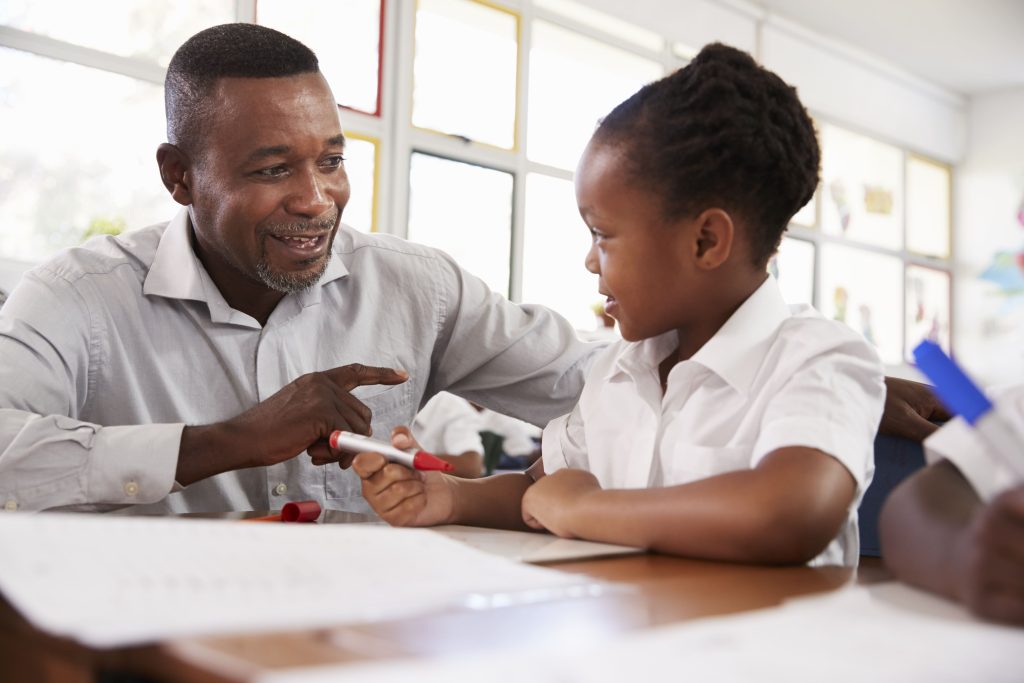
One surprising consensus among teachers is their encouragement of parents to set firm boundaries even if it means saying “no” sometimes. Clear boundaries give children emotional structure and teach self-discipline.
Many parents feel guilty about saying “no,” worried they’ll damage self-esteem or cause rebellion. But emotionally mature children learn that boundaries aren’t punishment but protection. In fact, vague or inconsistent permission can create anxiety, as children crave clarity.
This echoes themes from our article on what to do when anger surfaces in intimacy: boundaries act as emotional anchors. They provide safety that allows freedom within limits.
Try This: Practice setting one gentle but firm “no” this week and observe how it affects your child’s sense of safety.
Why These Unspoken Truths Matter
When children struggle academically or socially, the root often lies in unspoken emotional needs or silent struggles. The gap between what teachers see and what parents understand can widen emotional divides, fostering loneliness or acting out.
At ArcaneGuides, we believe in closing that gap by fostering communication, trust, and emotional literacy. Our piece on subtle parenting mistakes that haunt adult relationships explores how childhood emotional neglect manifests later in life and how to repair it.
What Real Parents Are Saying
Parents on platforms like Reddit and social media voice similar frustrations: the pain of not knowing what happens at school, the confusion when their child is asked to hide things, or feeling powerless in the face of school decisions. These stories remind us that emotional safety is a shared responsibility.
How To Build A Bridge Between Home And School
-
Ask open, non-judgmental questions: “What was your favorite moment today? What was the hardest?”
-
Partner with teachers: Build respectful communication channels. Ask for generalized feedback without breaching confidentiality.
-
Normalize emotions: Use emotional language to empower kids to express feelings.
-
Set clear boundaries: Teach that boundaries are caring, not controlling.
-
Create family rituals that emphasize presence and listening: Space for kids to be seen beyond grades or behavior.
Ready To Parent From Emotional Clarity, Not Confusion?
If this article resonated with you, it’s clear you care deeply about your child’s emotional wellbeing and growth. Yet, navigating the gap between what teachers see and what you know can feel overwhelming.
At ArcaneGuides, we specialize in helping parents develop emotional insight and confident boundaries that honor both child and parent. We offer personalized coaching, reflective toolkits, and deep-dive resources that make these invisible challenges visible and manageable.
Reach out today for a confidential conversation: Contact Us
Explore these powerful reads next:
Your presence and insight can rewrite your child’s story far beyond what anyone in a classroom might see.