
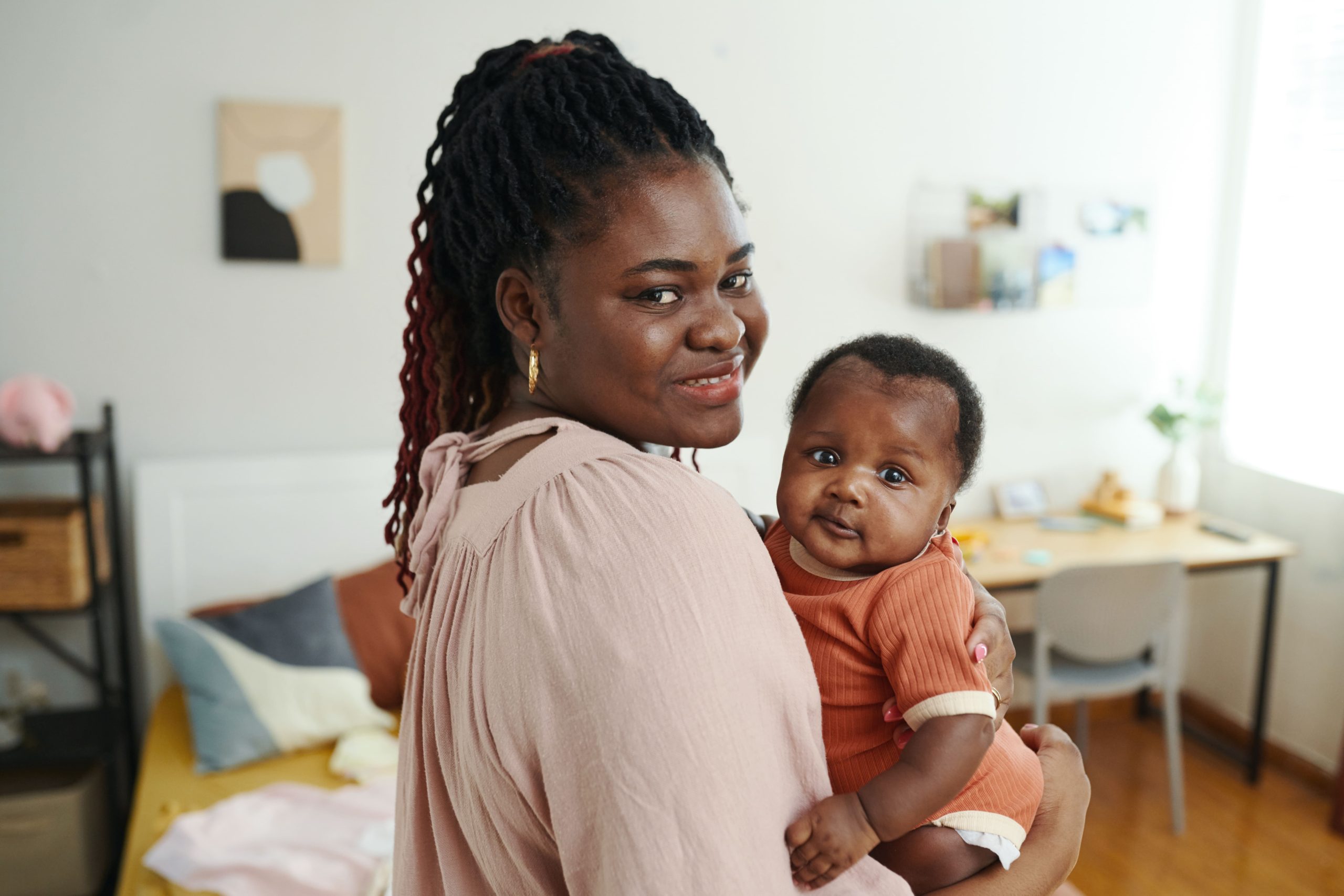
Becoming a parent is one of those monumental life decisions that changes everything not just your daily routine, but your identity, your relationships, your dreams, and even the way you see yourself. And yet, for something so life-altering, most of us walk into it with only a vague idea of what to expect. Society shows us the picture-perfect moments the giggles, the first steps, the family portraits where everyone’s smiling. But behind those curated images lies a reality that is far more complex, messy, and emotionally demanding.
I’ve been there. I’ve held my newborn with tears streaming down my face not just from joy, but from fear, exhaustion, and the sudden weight of responsibility I didn’t fully grasp before. I’ve been the parent who thought “I should be happier than this” and felt ashamed for even thinking it. If someone had sat me down before I had kids and told me the truth the raw, unfiltered truth I would have been better prepared for the emotional, physical, and relational earthquake that was about to hit my life.
So, here’s what I wish someone had told me. No sugarcoating. No Pinterest-perfect filters. Just the things you really need to know before you decide to bring a tiny human into this world.
1. The Love Is Real But So Is the Loneliness
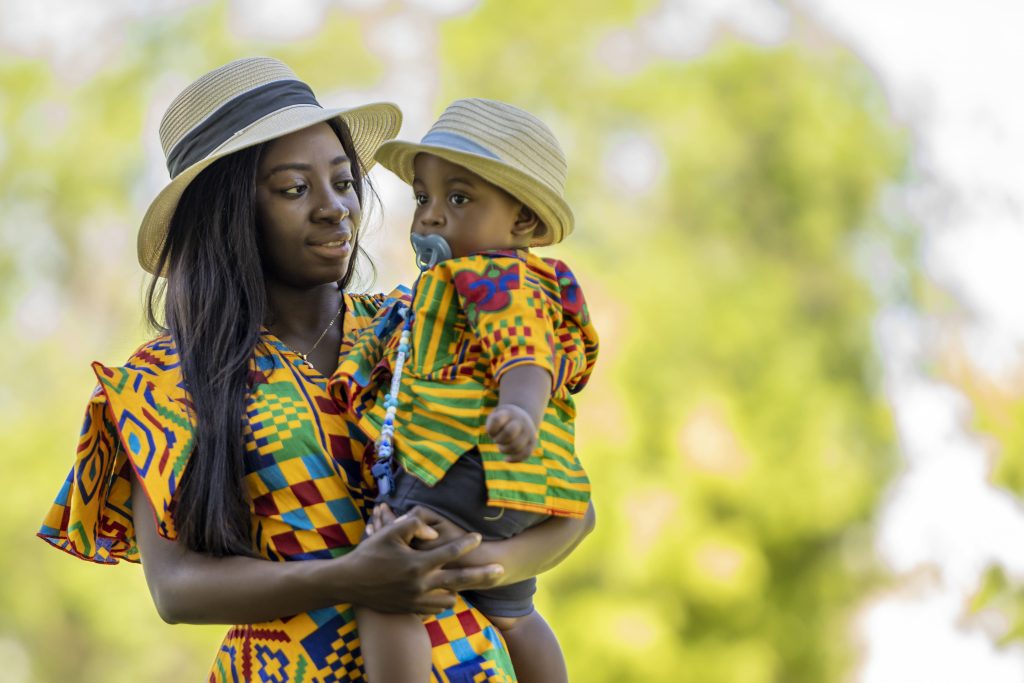
Yes, you will love your child with a ferocity that defies explanation. You’ll marvel at their tiny hands, their sleepy sighs, and the way they look at you as if you’re their entire universe. But here’s the part most people leave out: you can be deeply in love with your child and still feel profoundly lonely.
When you become a parent, your social life often shifts dramatically. Friends without kids might drift away. Conversations that once flowed freely now get interrupted by diaper changes, nap schedules, or sudden meltdowns. Even your romantic relationship will be tested sometimes in ways you didn’t think possible.
In fact, many couples experience what experts call “intimacy fatigue” after having children. You’re both exhausted, overwhelmed, and suddenly operating more like co-managers of a household than passionate partners. That’s why knowing what to do when anger surfaces in intimacy is essential, because unresolved tension can erode the very foundation of your relationship.
2. Your Identity Will Shift And That’s Both Scary and Necessary
Before kids, you might have defined yourself by your career, your hobbies, your style, or your social life. After kids? You may feel like all of that has been replaced by one word: Parent.
This shift can be disorienting. You might grieve the loss of your old self, even as you embrace your new role. And that’s okay grieving doesn’t mean you don’t love your child. It means you’re human.
One of the hardest things for me was realizing that my ambitions and desires still mattered. There’s a pervasive cultural myth that “good parents” should always put their children’s needs first, but the truth is that neglecting your own growth can breed resentment. Sometimes, investing in yourself is the best gift you can give your kids because they’ll grow up seeing what a fulfilled adult looks like.
3. Your Relationship With Your Own Parents Might Change

For better or worse, having children often reshapes the way you see your own upbringing. You may find yourself rethinking childhood memories, reevaluating your parents’ choices, or even recognizing patterns you want to avoid repeating.
For some, this deep reflection brings healing. For others, it unearths old wounds. I’ve spoken to parents who didn’t realize how unresolved their childhood pain was until they had kids of their own. That’s why it’s worth exploring the subtle parenting mistakes that haunt adult relationships not to dwell on the past, but to consciously create a healthier future.
4. The Mental Load Is Invisible And Heavy
No matter how equally you and your partner split chores, there’s an invisible weight that often falls on one parent’s shoulders usually the mother. It’s the mental load: remembering doctor’s appointments, tracking developmental milestones, knowing when the shoes will be outgrown, researching preschools, packing lunches, signing permission slips… the list is endless.
This isn’t just “being organized.” It’s a constant state of vigilance that can leave you mentally and emotionally drained. Partners who don’t share this load equally can unintentionally breed resentment, which can turn into silent disconnection something I’ve seen happen too often. If you’ve ever wondered what it feels like when a spouse quietly dislikes you but won’t say it, unbalanced mental labor is often part of the answer.
5. You’ll Question Yourself Constantly
Am I doing enough? Am I doing too much? Should I be stricter? More lenient? Should I breastfeed longer? Am I working too many hours? Not enough?
These questions will become your daily companions, and the answers are rarely clear-cut. Social media makes this even harder by presenting curated snapshots of “perfect” parenting, which can leave you feeling inadequate.
Here’s what I learned the hard way: good parenting is less about perfection and more about consistency. Kids don’t need flawless parents they need present, loving, and imperfectly human ones.
6. Parenting Can Strain Friendships
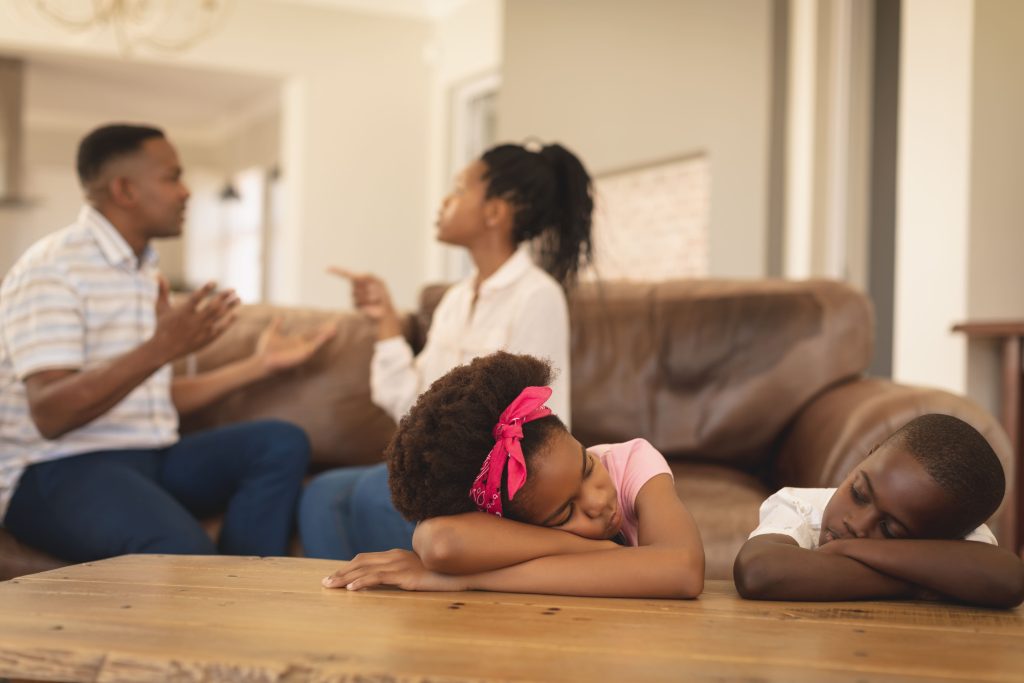
Some friendships won’t survive the transition into parenthood and that’s not always a bad thing. You may find yourself gravitating toward people who understand your new life stage, while drifting from those whose priorities no longer align with yours.
At first, this can feel like loss. But over time, it becomes an opportunity to build a support network of people who truly “get it.” In my own life, I’ve formed deeper bonds with other parents who can sit in my messy kitchen, drink coffee while a toddler screams, and still make me laugh until my stomach hurts.
7. You’ll Experience Moments of Utter Joy And Guilt Right After
There will be moments when you look at your child and feel an overwhelming, almost painful love. And then there will be moments sometimes minutes later when you desperately crave space, quiet, and the freedom you once had.
The guilt that follows can be crushing. But here’s the truth: wanting a break from your kids doesn’t mean you love them any less. It means you’re a whole person with needs of your own and those needs matter.
In fact, sometimes the best thing you can do for your child is take care of yourself first. This is the emotional equivalent of putting your oxygen mask on before assisting others and it’s a lesson many parents learn far too late.
8. You Might Parent Out of Fear And That’s Dangerous
In today’s world, it’s easy to become hyper-protective. We’re bombarded with stories of danger, warned about every possible risk, and sometimes shamed for letting our kids be too independent.
But parenting out of fear can unintentionally stunt a child’s growth. As this article on overprotection explains, shielding kids from every challenge can leave them unprepared for real life. One of the best gifts we can give our children is the confidence that comes from solving problems on their own.
9. You’ll See Love Show Up in Unexpected Forms
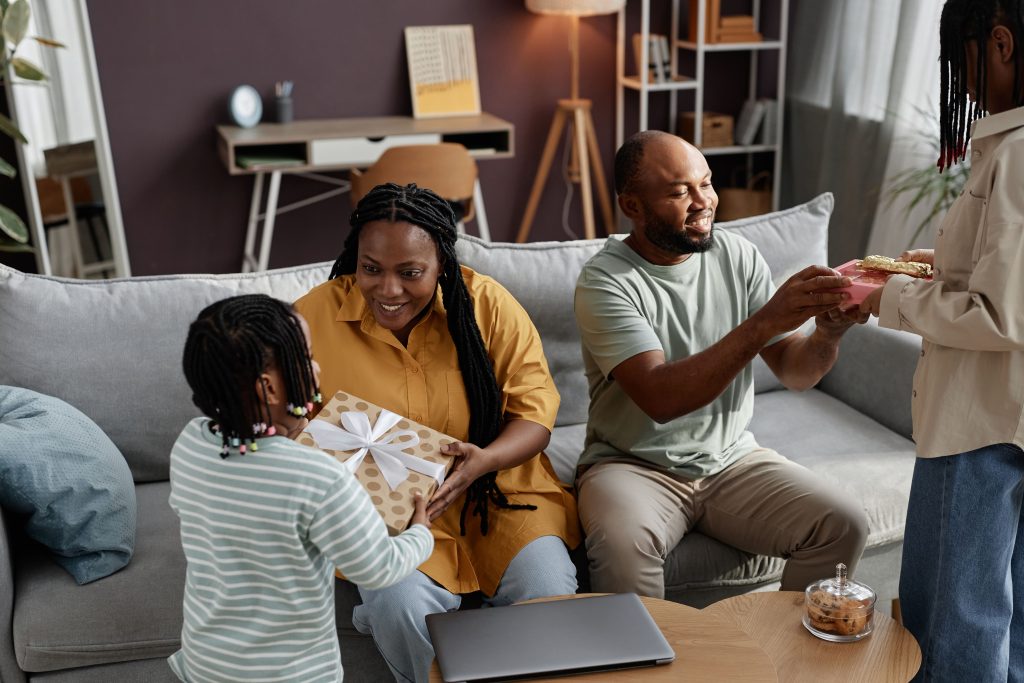
When I became a parent, I learned that love isn’t always grand gestures or picture-perfect moments. Sometimes it’s in the mundane: making your child’s favorite snack after a hard day, staying up late to finish a school project, or holding them through a nightmare.
These small acts might not seem remarkable in the moment, but they build the foundation of security that shapes who our children become. I’m reminded of the story of a fatherless bride, where love appeared in a completely unexpected yet deeply meaningful way.
10. The Emotional Growth Is Yours, Too
We often focus on how children grow, but parenthood is also a crash course in personal development. You’ll learn patience you didn’t know you had, discover resilience in the face of exhaustion, and find creative problem-solving skills you never thought possible.
Sometimes, these lessons come through challenges that nearly break you and sometimes, through the smallest everyday victories. I’ve come to believe that every difficult season as a parent carries a hidden gift, even if you can only see it in hindsight.
The Bottom Line Parenting Is Beautiful and Brutal, Sometimes in the Same Breath
If I could go back in time and have someone sit me down before I became a parent, I’d want them to tell me this: You will love more deeply than you thought possible, but you will also be tested in ways you never imagined. You will lose parts of yourself, and you will find new ones. You will feel joy and loneliness, pride and guilt, strength and vulnerability often all in the same day.
And you will survive it. Not by being perfect, but by showing up, again and again, even when you’re tired, even when you’re scared, even when you have no idea if you’re doing it right.
Because that’s what parenting really is not a performance, but a practice. And in that practice, you’ll find moments of connection so profound they will make every sleepless night, every hard conversation, and every self-doubt worth it.
Here’s the truth: If you’re considering becoming a parent, prepare for more than just nursery colors and baby names. Prepare for the emotional upheaval, the relational shifts, and the parts of yourself you’ll need to fight to keep alive.
And if you’re already in it, remember you don’t have to do it alone. Seek out support, have the hard conversations, and allow yourself to be human. Because one day, your kids will see the whole picture and they’ll thank you not for being perfect, but for being real.
If you want to dive deeper into the emotional realities of parenting, love, and relationships, explore our guides:
This is the kind of emotional clarity most parents wish they had before starting their journey the kind of insight that helps you prepare, not just dream. And if you’re feeling the weight of it all and wondering how to navigate the next step, I have a simple suggestion: start the conversation now. Reach out, get the tools, and don’t wait until the cracks begin to show.
Because the best parenting decisions are the ones you make before life forces your hand.