
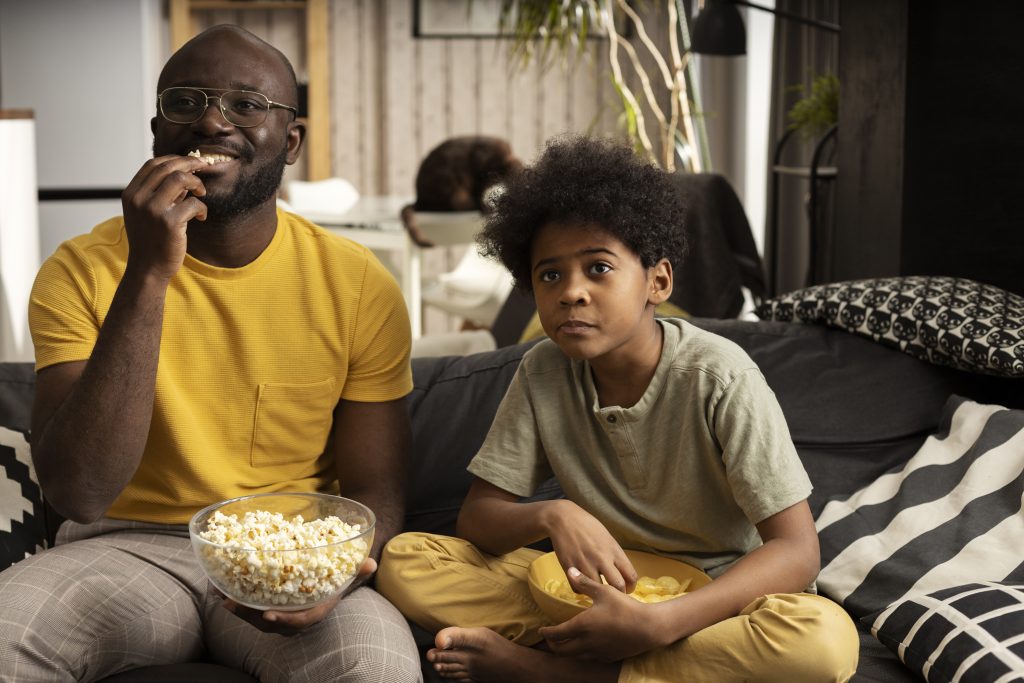
Every soul journey includes moments of disconnection that serve a higher purpose. Understanding the spiritual significance of challenging parent-child dynamics can transform conflict into conscious growth.
The sacred bond between parent and child is one of the most profound spiritual contracts we enter in this lifetime. When that connection feels strained, when respect seems to have vanished overnight, it’s easy for parents to feel lost, hurt, and questioning everything they thought they knew about their relationship with their son.
But what if I told you that these challenging moments aren’t signs of failure, but rather spiritual invitations? What if the behaviors that feel like disrespect are actually your son’s soul expressing deeper needs that haven’t been met on an energetic level?
From a metaphysical perspective, every relationship challenge carries sacred information. The tension between parent and child often signals that both souls are ready for a new level of authentic connection—one that honors who each person is becoming, not just who they’ve been.
The Spiritual Significance of Parent-Child Soul Contracts
Before we incarnate, souls often choose to journey together through multiple lifetimes, playing different roles to support each other’s evolution. The parent-child dynamic is one of the most intensive forms of spiritual partnership, designed to accelerate growth for both individuals involved.
When your son begins displaying behaviors that feel disrespectful or distant, his soul may be signaling that he’s ready to evolve beyond the parent-child dynamic as it has existed. This doesn’t mean abandoning the relationship—it means transforming it into something more authentic and mutually empowering.
From this perspective, challenging behaviors become sacred messengers rather than personal attacks. Your son’s soul is communicating through his actions, even when his conscious mind can’t articulate what’s happening. Understanding these spiritual signals can help you respond from love rather than react from fear or hurt.
Understanding the Energetic Dynamics at Play
Every human being carries their own energetic signature—a unique vibrational frequency that changes as they grow and evolve. During adolescence and young adulthood, this energetic signature undergoes rapid transformation as the soul integrates new aspects of identity and purpose.
Sometimes, the energy field that once felt harmonious between parent and child becomes mismatched. This isn’t anyone’s fault—it’s a natural part of spiritual evolution. Your son may be unconsciously pulling away because he’s learning to establish his own energetic boundaries, even though he doesn’t have the spiritual vocabulary to explain this process.
The behaviors that feel like disrespect often stem from energetic overwhelm. When a young person is discovering their authentic self, the loving but sometimes limiting expectations of parents can feel energetically restrictive, even when those expectations come from a place of genuine care.
The 11 Sacred Signs Your Son’s Soul is Seeking Transformation
1. Challenging Established Boundaries as Spiritual Rebellion
When your son begins disregarding house rules, his soul may be expressing a need for more authentic forms of structure. Traditional boundaries that worked when he was younger may no longer align with his evolving consciousness.
This doesn’t mean abandoning all structure—it means co-creating boundaries that honor his developing spiritual autonomy while maintaining the energetic safety of your home. Consider having a heart-to-heart conversation about which rules serve his highest good and which ones feel limiting to his authentic expression.
The spiritual lesson here involves recognizing that healthy rebellion can be a sign of spiritual awakening. Your son’s soul is testing whether the structures in his life support his growth or simply maintain control.
2. Verbal Defensiveness as Energetic Protection
What appears as “talking back” or disrespectful communication often indicates that your son’s energy field is in protective mode. His soul recognizes that certain conversations or approaches trigger his defensive mechanisms, signaling that deeper emotional needs aren’t being met.
From a spiritual perspective, defensive communication patterns usually indicate that someone doesn’t feel truly seen or heard for who they’re becoming. Your son may be unconsciously protecting his evolving identity from what feels like judgment or misunderstanding.
Instead of focusing on the disrespectful tone, try addressing the energetic wound beneath the words. What is his soul trying to communicate through this protective behavior? What deeper need for understanding or validation is being expressed?
3. Wisdom Resistance as Authenticity Seeking
When your son treats your advice like background noise, his soul may be asserting its need to learn through direct experience rather than inherited wisdom. While this can feel personally rejecting, it often indicates a spiritually healthy desire for authentic understanding.
Some souls learn best through their own mistakes and discoveries. Your son’s apparent disregard for your advice might actually be his higher self’s way of ensuring he develops genuine wisdom rather than simply following someone else’s path.
The spiritual invitation here involves trusting your son’s soul journey while remaining available for guidance when he’s genuinely ready to receive it. Sometimes the most loving thing we can do is allow someone to learn their own lessons, even when we could save them from certain struggles.
4. Family Time Avoidance as Identity Integration
A son’s sudden disinterest in family activities often signals that he’s in an intensive period of identity integration. His soul is working hard to understand who he is as an individual, separate from his family role, and this process requires energetic space.
This pulling away isn’t necessarily a rejection of family love—it’s a spiritual necessity for healthy individuation. Your son’s soul recognizes that it needs time and space to discover its authentic expression without the influence (however loving) of family dynamics.
Rather than taking this personally, consider supporting his individuation process while maintaining open channels for connection. Let him know he’s always welcome while respecting his need for energetic autonomy.
5. Apology Avoidance as Ego Protection During Vulnerability
When your son refuses to apologize even when clearly wrong, his soul may be protecting his developing sense of self during a vulnerable growth period. Admitting fault can feel threatening to someone who’s still learning to trust their own inner authority.
From a spiritual perspective, the inability to apologize often indicates that someone fears losing their sense of personal power. Your son’s higher self may be working to establish healthy boundaries around his energy and identity, even though this expresses in seemingly disrespectful ways.
The deeper spiritual work involves helping your son understand that true strength includes the ability to be vulnerable and accountable. Model authentic apology and show him that taking responsibility actually increases rather than decreases personal power.
6. Emotional Reciprocity Challenges as Energetic Overwhelm
When your son stops asking about your day or showing interest in your experiences, he may be energetically overwhelmed by his own growth process. Young people going through spiritual transformation often become temporarily self-absorbed as they integrate new aspects of consciousness.
This isn’t selfishness in the traditional sense—it’s a necessary phase of development where the soul needs to focus intensively on internal processes. Your son’s apparent lack of interest in your experience likely reflects his soul’s current inability to hold space for others while undergoing such intensive personal transformation.
Patience and understanding during this phase often lead to deeper, more authentic connection once he’s integrated his new level of consciousness. Continue sharing your experiences without expectation, modeling the kind of reciprocal relationship you hope to eventually enjoy.
7. Achievement Secrecy as Spiritual Independence
When your son stops sharing his accomplishments, his soul may be learning to validate itself internally rather than seeking external approval. This can feel rejecting to parents, but it often indicates healthy spiritual development toward authentic self-worth.
Some souls need to learn to celebrate their own victories before sharing them with others. Your son’s apparent secrecy might actually be his higher self ensuring he develops genuine self-appreciation rather than dependence on others’ reactions to feel worthy.
The spiritual lesson involves trusting that your son’s soul knows what it needs for healthy development. Continue celebrating him when you do learn of achievements, but also respect his need to process victories privately first.
8. Public Distance as Energetic Boundary Setting
Acting embarrassed by parents in public often represents a young person’s attempt to establish energetic boundaries while their sense of identity is still forming. This behavior, while hurtful, usually indicates that your son is working to separate his individual energy field from the family energy field.
From a metaphysical perspective, public embarrassment behaviors are often unconscious attempts to protect the developing self from energetic enmeshment. Your son’s soul recognizes that it needs to be seen as separate and distinct, even though it doesn’t know how to accomplish this in respectful ways.
Understanding this as an energetic process rather than personal rejection can help you maintain compassion while setting appropriate boundaries about respectful behavior in public settings.
9. Sacrifice Blindness as Generational Pattern Breaking
When your son seems oblivious to your sacrifices, his soul may be unconsciously working to break generational patterns of guilt-based relationship dynamics. Some young people intuitively resist acknowledging sacrifices because their higher self recognizes that true love doesn’t keep score.
This doesn’t excuse genuine ingratitude, but it might indicate that your son’s soul is learning to receive love freely rather than feeling burdened by others’ choices. His apparent lack of appreciation could actually be spiritually healthy boundary-setting around guilt and obligation.
The deeper spiritual work involves examining whether your sacrifices are truly given freely or come with unconscious expectations for gratitude and behavior compliance. Authentic love gives without keeping records, even though appreciation is always welcome.
10. Physical Withdrawal as Sacred Solitude
Hiding away in his room constantly may indicate that your son’s soul is seeking the sacred solitude necessary for spiritual integration. Some consciousness expansions require extended periods of energetic withdrawal from external stimulation and social interaction.
While isolation can sometimes indicate depression or other concerns requiring professional support, it can also be a spiritually necessary process of inner development. Your son’s need for solitude might reflect his soul’s wisdom about what it needs for healthy growth.
The key lies in discerning when withdrawal is spiritually productive versus when it indicates emotional distress requiring intervention. Maintaining loving presence while respecting his need for space usually supports both possibilities.
11. Social Separation as Loyalty Confusion
Refusing to introduce parents to new friends often indicates that your son is navigating complex loyalty dynamics as his social and family worlds evolve. His soul may be protecting both relationships from potential conflicts while he learns to integrate different aspects of his identity.
From a spiritual perspective, this behavior usually indicates that your son values both his family and friends but hasn’t yet learned how to bridge these worlds authentically. His higher self may be protecting him from having to choose sides or manage competing expectations.
Supporting his social development while remaining available for natural integration opportunities usually resolves this pattern as he gains confidence in his ability to maintain authentic relationships in all areas of life.
The Deeper Spiritual Invitation for Parents
When we view our children’s challenging behaviors through a spiritual lens, everything shifts. Instead of taking actions personally, we begin to see them as information about our child’s current spiritual needs and developmental process.
This perspective doesn’t excuse disrespectful behavior—boundaries and mutual respect remain important. But it helps us respond from wisdom rather than react from wounded ego. When we understand that our son’s soul is working to individuate and evolve, we can support that process while maintaining loving connection.
Practical Spirituality for Parent-Child Relationships
Energy Awareness Practice: Before difficult conversations with your son, take a few minutes to center yourself energetically. Ask yourself: “What does his soul need from me right now?” This simple shift can transform confrontational interactions into opportunities for deeper understanding.
Sacred Witnessing: Instead of trying to fix or change your son’s behavior immediately, practice witnessing his growth process with spiritual curiosity. What aspects of his developing consciousness are being expressed through these actions? What gifts might be hidden within the challenges?
Boundary Setting with Love: Maintain necessary boundaries while sending energetic messages of unconditional acceptance for your son’s authentic self. He can sense whether your boundaries come from love and wisdom or from fear and control.
Trust in Soul Timing: Some spiritual lessons can only be learned through experience. Trust that your son’s soul has its own timeline for growth and integration. Your role is to remain available for genuine connection while allowing his authentic development process to unfold.
Healing Ancestral Patterns Through Conscious Parenting
Many parent-child conflicts carry forward unhealed patterns from previous generations. Your son’s challenging behaviors might be serving the spiritual purpose of bringing these patterns into conscious awareness so they can be transformed rather than passed on to future generations.
When we respond to our children’s growth challenges with consciousness rather than reactivity, we actively participate in healing ancestral wounds around authority, respect, communication, and love. This isn’t just about improving your relationship with your son—it’s about contributing to the evolution of human consciousness itself.
The Sacred Work of Letting Go
Perhaps the most profound spiritual challenge for parents involves learning when to hold on and when to let go. Your son’s soul knows what it needs for authentic development, even when those needs conflict with your parental instincts or expectations.
Letting go doesn’t mean abandoning your child—it means trusting the wisdom of his soul’s journey while remaining available for genuine connection and support. This requires tremendous spiritual maturity and faith in the essential goodness of human nature.
Creating Space for Authentic Connection
True respect can’t be demanded—it can only be earned through authentic relationship. When we focus more on understanding our children’s spiritual needs than on controlling their behavior, we create space for genuine connection to emerge naturally.
This might mean having honest conversations about your own growth challenges, admitting when you’ve made mistakes, or apologizing for times when your parenting came from fear rather than love. Authentic vulnerability from parents often inspires reciprocal authenticity from children.
The Spiritual Gifts Hidden in Challenging Relationships
Every difficult parent-child dynamic carries sacred gifts that can only be accessed through conscious navigation of the challenges. Your son’s apparent disrespect might be inviting you to:
- Develop Unconditional Love: Learning to love someone who doesn’t always reflect your values or meet your expectations
- Practice Non-Attachment: Releasing control over another person’s choices and trusting their soul’s wisdom
- Heal Your Own Childhood Wounds: Recognizing where your reactions come from unhealed aspects of your own relationship with authority and respect
- Deepen Your Spiritual Practice: Finding peace and wisdom in challenging circumstances
- Model Conscious Communication: Demonstrating how to maintain respect and boundaries without compromising authenticity
Creating Rituals for Relationship Healing
Sometimes, traditional approaches to parent-child conflict resolution aren’t enough. Creating sacred rituals for healing and connection can address the energetic aspects of relationship challenges that conventional methods miss.
The Family Blessing Ritual
Once monthly, create a simple ceremony where each family member offers genuine appreciation for the others, acknowledging both gifts and growth edges. This ritual helps maintain energetic connection even during challenging periods.
The Sacred Conversation Practice
Before difficult discussions, both parent and child spend five minutes in silent meditation or prayer, asking for guidance in communicating with love and understanding. This practice helps ensure that conversations serve connection rather than ego.
The Forgiveness Release Ceremony
When conflicts arise, create a simple ritual for releasing resentment and hurt feelings. This might involve writing grievances on biodegradable paper and burning them safely, or creating art that represents the transformation of conflict into wisdom.
Integration and Moving Forward
The spiritual perspective on parent-child challenges doesn’t minimize the real pain and frustration these dynamics can create. Instead, it offers a framework for transforming suffering into wisdom and disconnection into conscious relationship.
Remember that your son’s challenging behaviors often indicate that he’s ready for a deeper, more authentic relationship with you—one that honors who he’s becoming rather than insisting he remain who he’s been. This transformation requires courage and spiritual maturity from both of you.
The goal isn’t to eliminate all conflict or challenge from your relationship. Healthy relationships include tension and growth edges. The goal is to navigate these challenges with consciousness, love, and respect for each person’s authentic development process.
When we approach parent-child relationships as spiritual partnerships rather than hierarchical arrangements, we create space for mutual growth, authentic respect, and the kind of love that actually supports each person’s highest development.
Ready to transform challenging parent-child dynamics into opportunities for deeper connection? Download our exclusive “Sacred Parenting: A Spiritual Guide to Conscious Family Relationships” below—a comprehensive 25-page resource that includes energy healing techniques for family conflicts, conscious communication scripts, ritual practices for relationship healing, and guided meditations for parental stress. This valuable guide normally sells for $67, but it’s our gift to parents ready to embrace the spiritual dimensions of family life.
[Download Your Free Sacred Parenting Guide Here] → Discover the ancient wisdom and modern techniques that support conscious family relationships and spiritual growth for the entire family.
Join thousands of spiritually-minded parents who have already transformed their family dynamics through conscious awareness and metaphysical understanding. Your family’s evolution deserves more than conventional parenting advice—access the spiritual tools that honor the sacred nature of parent-child relationships.
At Arcane Guides, we believe that family relationships are some of our most powerful spiritual teachers. Subscribe to our newsletter for weekly insights that help you navigate parenthood with cosmic wisdom and conscious awareness.