
If your marriage feels different than it used to, these natural transformations might actually be signs you’re growing deeper, not drifting apart.
You sit across the breakfast table in comfortable silence. No butterflies, no racing heart, no desperate need to fill every moment with conversation. Part of you wonders: is this what settling feels like? Or is this what real love becomes?
The spark that once consumed you has transformed into something steadier. The excitement of discovery has given way to the comfort of being known. And you’re not sure if this evolution means your marriage is thriving or quietly dying. Tonight, I’ll show you seven ways love naturally transforms in long-term relationships—changes that strengthen bonds when understood but destroy marriages when misinterpreted.
Understanding Sacred Evolution in Marriage
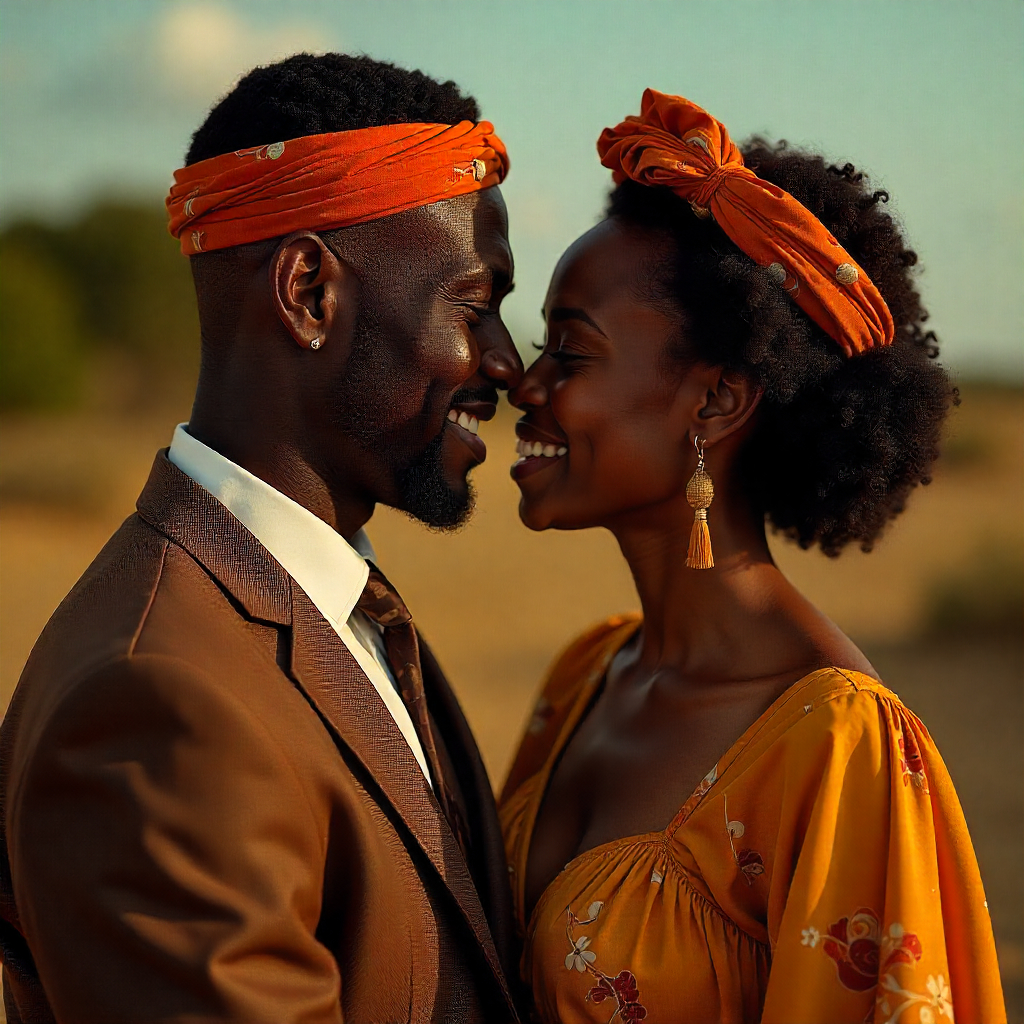
Before we explore specific changes, let’s honor what’s really happening when long-term relationships transform. Our culture romanticizes the honeymoon phase—the butterflies, the obsession, the intensity. But spiritual traditions understand something different: that initial phase isn’t the pinnacle of love. It’s just the beginning.
The neuroscience of love’s evolution: Early relationship love floods your brain with dopamine, norepinephrine, and phenylethylamine—the same chemicals activated by cocaine. This creates euphoria, obsession, and idealization. But this state isn’t sustainable. Your brain literally can’t maintain that level of activation long-term.
After 1-3 years, brain chemistry shifts. Dopamine decreases while oxytocin and vasopressin increase. These are bonding chemicals, not excitement chemicals. They create feelings of security, trust, and deep connection rather than manic passion.
The spiritual perspective: Many wisdom traditions teach that passionate love is the spark that lights the fire, but compassionate love is the steady flame that warms a home for decades. The transformation isn’t a loss—it’s an evolution into something that can actually sustain a lifetime together.
Evolution #1: The Spark Transforms Into Something Deeper
What Changes: The electric excitement of early love settles into warm companionship. The obsession gives way to comfortable presence. The constant desire to impress transforms into permission to just be yourself.
Maya remembers the first year with her husband—staying up until 3 AM talking, heart racing whenever he texted, getting dressed up just to go to the grocery store together. Ten years in, they sit in comfortable silence, wear sweatpants around each other, and sometimes forget to kiss goodnight.
“I thought we were losing our connection,” Maya shares. “Then my therapist asked if I felt safe with him, if I trusted him completely, if I could be my authentic self around him. The answer to all three was yes—more than ever. I realized the spark hadn’t died. It had transformed into something that could actually last.”
Why people divorce over this: They mistake the end of infatuation for the death of love. They chase the dopamine high with new partners, not realizing that chemistry naturally shifts in all long-term relationships.
How this deepens marriage: Compassionate love creates the foundation for genuine partnership. It’s less exciting but infinitely more sustaining. It allows you to build a life together rather than just experience thrilling moments.
Evolution #2: Comfortable Silence Replaces Constant Conversation
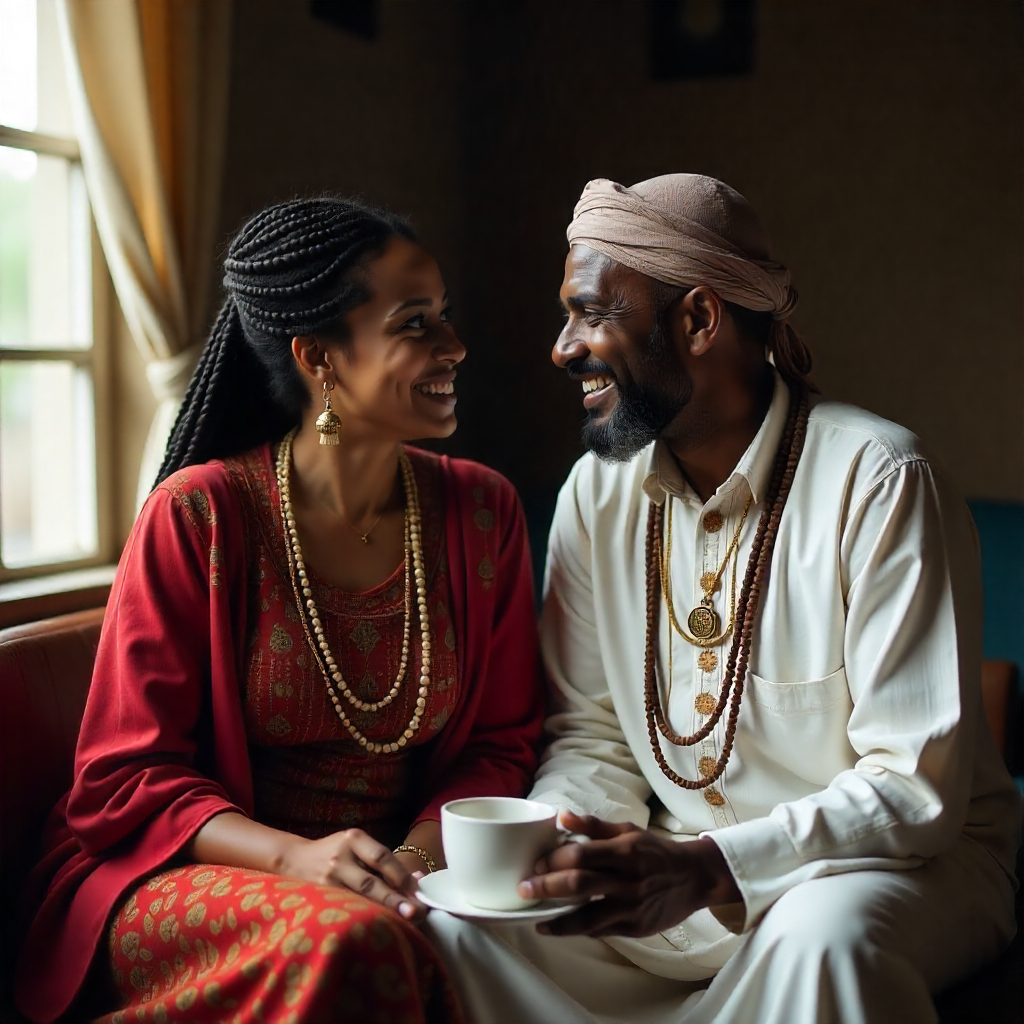
What Changes: The need to fill every moment with words fades. You can sit together without talking and feel connected rather than awkward. Quality matters more than quantity in communication.
James used to worry when he and his wife ran out of things to talk about. Early in their relationship, they’d chat for hours. Now, they often sit side-by-side reading, working, or just existing together without conversation—and it feels peaceful, not empty.
“I realized that constantly needing to talk was actually anxiety about whether she still found me interesting,” James explains. “The silence means we’re so secure in our connection that we don’t need to constantly prove it through performance.”
Why people divorce over this: They interpret comfortable silence as disconnection or boredom. They panic that they have “nothing in common anymore” when actually, they’ve reached a deeper level of intimacy.
How this deepens marriage: The ability to be silent together without discomfort shows profound trust and acceptance. It means you’re comfortable just existing in each other’s presence—you don’t need to entertain or impress.
Your micro-action tonight: Practice sitting in silence with your partner for just five minutes. Notice if it feels connecting or uncomfortable. If uncomfortable, that’s information about your relationship’s foundation.
Evolution #3: Partnership Becomes More Important Than Romance
What Changes: Daily life tasks become the primary way you connect. Running errands together, managing finances, coordinating schedules—these practical interactions replace constant date nights and grand romantic gestures.
Elena felt guilty that she and her husband spent more time discussing grocery lists than gazing into each other’s eyes. Their conversations revolved around who would pick up the kids, what bills needed paying, and whether they needed toilet paper.
“Then I realized—this IS intimacy,” Elena says. “Building a life together, trusting each other with mundane responsibilities, being a team through boring tasks. That’s the foundation everything else rests on.”
Why people divorce over this: They believe partnership without constant romance means they’re “just roommates.” They miss the excitement of courtship and interpret its absence as settling.
How this deepens marriage: Strong partnerships create the security that allows passion to exist. When you trust your partner with life’s practical matters, you build the foundation for lasting love. Romance is the decoration; partnership is the structure.
Evolution #4: Irritations Surface (And That’s Healthy)
What Changes: Your partner’s quirks that once seemed endearing become genuinely annoying. You notice their flaws more clearly. Small things trigger disproportionate frustration.
After twelve years together, Marcus found himself irritated by habits he’d barely noticed before—the way his wife chewed, how she left cabinets open, her tendency to interrupt. He worried this meant they were incompatible.
“My counselor explained that early-relationship brain chemistry actually makes you overlook flaws,” Marcus shares. “When that wears off, you see your partner more realistically. That’s not a problem—that’s honesty. The question is whether you can love them as they actually are, not who you imagined them to be.”
Why people divorce over this: They interpret normal irritation as incompatibility. They believe “the right person” wouldn’t annoy them. They use minor frustrations as evidence they chose wrong.
How this deepens marriage: Learning to accept your partner’s imperfections while they accept yours creates unconditional love. Working through irritations builds communication skills and emotional resilience. Real love isn’t the absence of annoyance—it’s choosing connection despite it.
Evolution #5: Attraction Shifts From Physical to Whole-Person
What Changes: Physical attraction matters less while emotional, intellectual, and spiritual connection matters more. You’re attracted to their character, not just their appearance. How they handle stress becomes sexier than how they look in certain lighting.
Sara remembers feeling panic when she realized she didn’t check her husband out the way she used to. Then she realized what actually attracted her now: watching him be patient with their kids, seeing him handle difficult situations with integrity, hearing his thoughtful perspectives on complex issues.
“I’m more attracted to him than ever,” Sara explains. “But it’s attraction to who he is as a complete person, not just physical chemistry. That kind of attraction doesn’t fade with age or weight changes—it actually grows.”
Why people divorce over this: They interpret decreased physical obsession as loss of chemistry. They don’t recognize that attraction can deepen even as it shifts focus. They chase physical passion with new partners rather than cultivating whole-person connection.
How this deepens marriage: Whole-person attraction creates stability that pure physical chemistry can’t provide. It means you’re attracted to things that actually improve with time—character, wisdom, shared history—rather than things that inevitably fade.
Evolution #6: Doubts Arise (And Prove You’re Thinking Clearly)
What Changes: You occasionally question your relationship. You wonder “what if.” You have moments of uncertainty about whether you chose correctly. These doubts feel scary but are actually signs of self-awareness.
Rachel felt terrified the first time she seriously wondered if she’d married the right person. She’d always been certain, so doubt felt like a sign something was deeply wrong. Her therapist offered a different perspective.
“Doubt means you’re thinking critically rather than just operating on autopilot,” her therapist explained. “The question isn’t whether you have doubts—it’s what you do with them. Do you use them to reconnect and improve your relationship, or do you let them fester into resentment?”
Why people divorce over this: They interpret normal doubts as proof they made a mistake. They believe “true love” never questions itself. They act on doubts impulsively rather than examining them thoughtfully.
How this deepens marriage: Doubts invite reflection and intentional recommitment. Working through uncertainty together creates conscious choice rather than passive continuation. You’re not together by default—you’re together by active decision.
Evolution #7: Individual Growth Changes You Both
What Changes: You’re not the same people who got married. Career paths shift. Interests evolve. Values deepen or transform. Priorities reorganize as life stages change. The person you committed to years ago exists within but has grown into someone more complex.
David and his wife got married in their twenties. Now in their forties, they’re both completely different people—different careers, different spiritual beliefs, different political views even. Friends asked if they regretted marrying so young when they’ve both changed so much.
“We didn’t grow apart—we grew together,” David explains. “Yes, we’re different people. But we’ve been growing in the same direction, supporting each other’s evolution, celebrating changes rather than resisting them. That takes intention, but it’s possible.”
Why people divorce over this: They expect their partner to stay the same forever. When growth creates differences, they interpret this as incompatibility rather than healthy human development. They resist change rather than evolving together.
How this deepens marriage: Growing together requires communication, flexibility, and commitment to knowing your partner’s evolving self. It creates a dynamic relationship that stays fresh because you’re both continually becoming. It proves your love is for who they are becoming, not just who they were.
The Sacred Truth About Marriage Evolution
Long-term love isn’t static. It breathes, shifts, and transforms as you build a life together. The changes you’re experiencing probably aren’t signs your marriage is dying—they’re evidence it’s deepening into something that can sustain decades, not just months.
- Love evolves from passion to compassion without losing value
- Silence can be intimate, not just awkward
- Partnership is as important as romance
- Irritation is normal and manageable
- Attraction can shift focus while growing stronger
- Doubts invite reflection, not panic
- Growth creates richness, not incompatibility
Day 2: Find one mundane task to do together as a team
Day 3: Share one non-physical thing you find attractive about your partner
Day 4: Name one doubt you have and what it’s really about
Day 5: Ask your partner how they’ve grown recently
Day 6: Practice accepting one irritating habit with compassion
Day 7: Reflect on how your love has evolved and celebrate that transformation
Lost the spark? Learn 4 keys to transform boredom into love again. Start today—download “Sacred-Marriage-Evolution-Kit” and rebuild connection.