
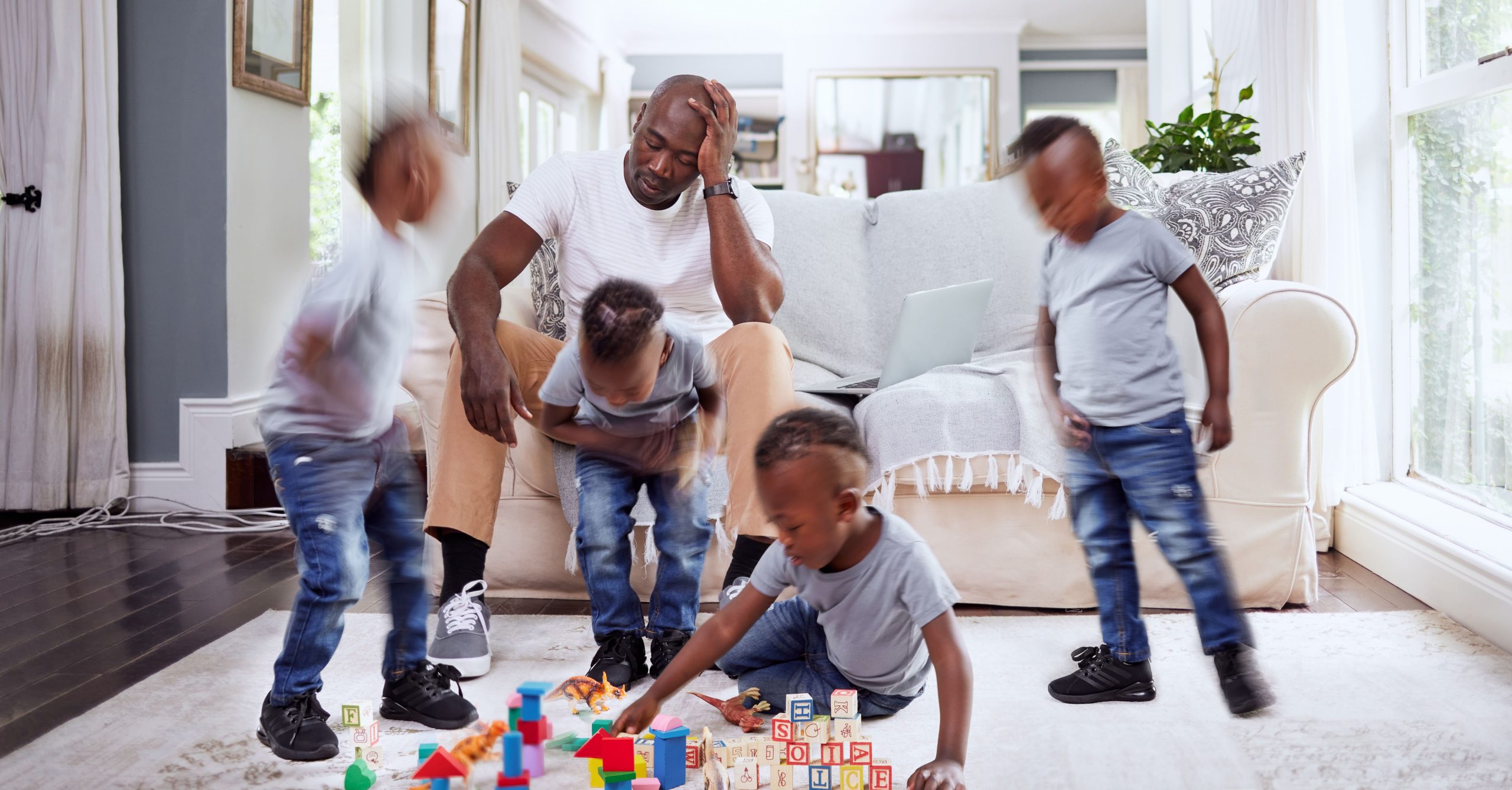
There’s a troubling trend surfacing in modern parenting circles a growing number of moms and dads are avoiding discipline, boundaries, or even showing up fully… all out of fear that they’ll traumatize their children.
A video recently went viral where a mother expressed something bold: “I’m sick of parents not parenting anymore because they’re afraid to traumatize their kids.” Her frustration wasn’t aimed at gentle parenting it was aimed at avoidance. Many are calling it an overdue wake-up call, but others are uncomfortable with it.
And the discomfort is the point.
We’ve entered a time where parenting with emotional intelligence is often confused with emotional fragility. Many parents aren’t sure anymore where to draw the line between nurturing and neglectful under-parenting. So let’s talk about it deeply, honestly, and from a place of radical love.
The Difference Between Parenting With Compassion and Parenting Through Fear

It’s not uncommon for modern parents to feel anxious about how they raise their children. We’ve collectively awakened to the reality that trauma doesn’t just come from physical abuse or neglect it can come from emotional invalidation, lack of safety, or inconsistent attachment. In fact, many parents are trying to avoid doing what was done to them and that’s noble.
But in trying to overcorrect, they risk swapping control for confusion.
Avoiding boundaries, letting routines collapse, or hesitating to correct behavior may feel “gentle” but it’s often fueled by fear, not love. In our guide, When the Betrayal Has No Name, we explore how emotional absence doesn’t always look like anger it can look like hesitation, guilt, and inconsistency.
Children don’t need perfection. But they do need someone who will show up even imperfectly.
Emotional Paralysis in Parenting: The Side Effect of Hyper-Awareness

Today’s parents are more informed than ever. We understand ACE scores. We’ve read the books on attachment theory. We’ve probably sent memes about “gentle parenting” to our partners at 3am.
But awareness doesn’t always lead to embodiment.
Many well-intentioned parents begin to freeze emotionally. They second-guess every decision, question every “no,” and hesitate when discomfort arises. This avoidance is what trauma specialists call emotional paralysis. In our deep dive on emotional exhaustion, we show how chronic overthinking in caregiving roles leads to a complete shutdown of instinct.
Rather than tuning into the moment and responding with trust, parents default to emotional ambiguity. And children like a cold wind feel that ambiguity they can’t name, but they’re chilled by it.
Illness Doesn’t Cancel Emotional Responsibility, It Reframes It

Another layer that surfaced in this recent discourse was around sick or burned-out parents. One mother admitted: “I was sick and couldn’t be present. But now my kids are acting wild. Is that trauma? Or just life?”
It’s a fair question.
Being ill or low-energy doesn’t mean you’re failing as a parent. But emotional presence matters more during these times, not less. Children need to understand that yes, mommy is tired or even very sick but that doesn’t mean they are too much to handle.
As explored in our upcoming toolkit, The Emotional Boundaries Reset, children thrive when they are given transparent emotional context. Instead of “go away,” say “I need quiet time to rest, but I’ll check on you in 15 minutes.” Instead of silent resentment, try gentle narration of your capacity.
Psychologists from Psychology Today emphasize that during parental illness, the emotional scaffolding is what matters not the physical availability. When presence is maintained with communication and softness, children grow in empathy, not fear.
Kids Feel Emotional Inconsistency Even When You Say the Right Things

It’s tempting to think, “But I’m always kind. I don’t yell. I explain my feelings. I validate theirs.” And yet, sometimes these things don’t land.
Why?
Because children feel energy before they understand language. Emotional inconsistency like shifting from permissive to punitive or constantly explaining boundaries but never holding them leaves them unsettled. They sense that something is unsteady, even when the words seem fine.
In our article on healing from mixed-signal parenting, we discuss how children raised in emotional ambiguity often grow up doubting their own emotional instincts.
And when a child is constantly adapting to their parent’s moods or guessing how far they can push, what they’re really learning is: love is conditional, and I must manage you to stay safe.
Intergenerational Fear Is Not Your Fault But It Is Your Responsibility

The fear of “messing up your kid” doesn’t come out of nowhere. Many of us were raised in households that normalized silence, survival, or emotional manipulation.
And when we become parents, the fear rises fast: What if I become them?
According to a landmark UCLA Health study, parents who experienced high levels of childhood trauma are more likely to exhibit high emotional reactivity or extreme passivity both of which impact their child’s mental health long-term.
This doesn’t mean you’re doomed. But it does mean you need support, structure, and self-awareness.
If this feels familiar, our story-based healing guide How to Reparent the Child Inside You While Still Showing Up For Your Own Kids is designed exactly for that tightrope.
You are not alone in this journey. You’re just the first in your lineage to do it consciously.
What Children Really Learn From “Trauma-Avoidant Parenting”

Children aren’t fooled by empty softness. They crave structure. They need honesty. They need to feel your energy even when you’re tired or sick and know that they are still held.
When we avoid hard conversations, tough love, or consistent correction, we unintentionally teach them that:
-
Love is unstable
-
Emotions are burdensome
-
Conflict equals abandonment
In contrast, emotionally grounded parenting teaches them:
-
Love can withstand discomfort
-
My feelings are welcome, even when messy
-
Boundaries keep me safe not punished
In our breakdown of emotional resilience in spiritual parenting, we highlight how inner safety begins when a child trusts the outer structure of their world.
Want More Depth? These Resources Will Support You:
When you’re navigating parental guilt, trauma triggers, or caregiving during illness, turn to these expert-backed guides:
A beautifully articulated breakdown by Psychology Today explains how children adapt emotionally when a caregiver is physically sick and what helps most.
This mindfulness podcast from WBUR walks through soothing techniques for parents anxious about emotionally “messing up” their kids.
These aren’t quick fixes. They’re tools for real, deep, embodied parenting.
You Can Parent From Presence Even In Imperfection

You are not weak for doubting yourself. You are not failing because you’re tired. But if your days are ruled by fear that you’ll “traumatize your kids” by setting a boundary or needing a moment of quiet, you’ve lost the connection with your own authority.
It’s time to get that back.
Download our free Emotional Boundaries Reset Toolkit a 5-step sacred guide that will help you:
-
Identify when fear is overriding your parenting
-
Rebuild trust in your intuition and decision-making
-
Shift from emotional avoidance to embodied compassion
Click here to claim your free toolkit
And if you’re parenting from emotional burnout or inherited guilt, reach out to us. We offer 1-on-1 spiritual coaching for parents, inner child reparenting sessions, and trauma-aware tools you can integrate into your daily life no overwhelm necessary.
You don’t have to be perfect to be present.
But you do have to show up.
Let’s help you get back to your sacred center. Together.