

Michael had worked at his marketing firm for three years. He was talented and dedicated. However, he had a secret that was slowly destroying his career.
Every morning, Michael would arrive at the office with a knot in his stomach. Not because of deadlines or difficult clients. Instead, he dreaded something much more basic. He was terrified of using the office bathroom.
This fear sounds trivial to some people. Yet, for Michael and millions like him, it’s a daily nightmare. Moreover, new research shows this problem is far more common than anyone imagined.
The Hidden Epidemic Affecting 3 Out of 4 Workers
Recent studies reveal a shocking truth about workplace anxiety. Bathroom-related stress affects 76% of American workers. Additionally, 75% of British employees face the same struggle. (“‘Nearly 1 in 10 US employees have considered quitting their job’: New survey reveals hidden reason behind workplace stress”, 2025)
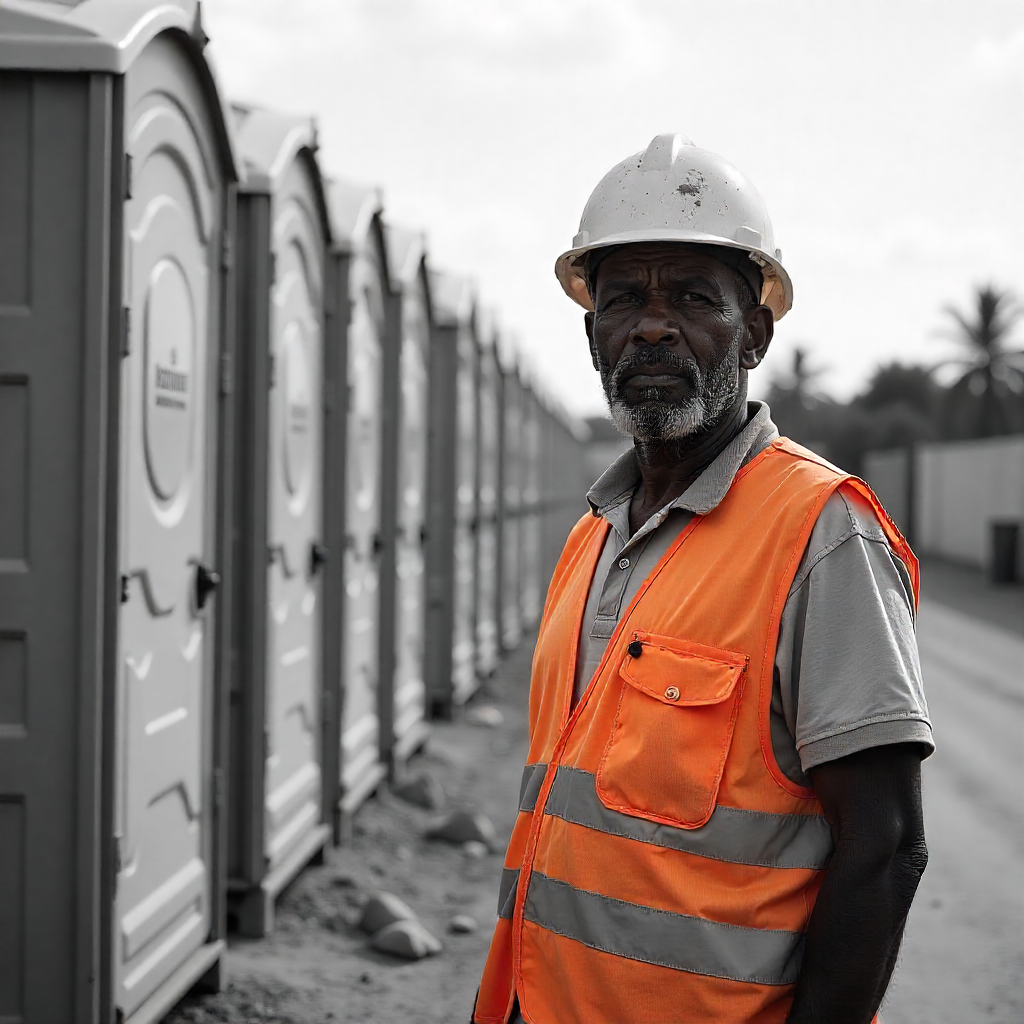
This isn’t just about being shy. Furthermore, it’s not simply about preferring privacy. The fear runs much deeper than that.
Sarah, a teacher from Denver, shares her experience. “I would hold it for entire eight-hour days,” she explains. “The thought of my colleagues hearing me was unbearable.”
Meanwhile, countless employees are making life-altering decisions based on bathroom anxiety. Nearly 1 in 10 American workers have considered quitting their jobs. The reason? A humiliating bathroom experience at work.
Even more surprisingly, 1 in 5 employees would rather quit than discuss bathroom issues with their manager. This silence is making the problem worse for everyone.
Why This Fear Controls Our Professional Lives
Understanding bathroom anxiety requires looking deeper than surface embarrassment. Several factors contribute to this widespread workplace fear.
First, modern offices lack privacy. Thin walls and poor ventilation make every sound audible. Consequently, employees feel exposed and vulnerable during basic human functions.
Additionally, workplace culture plays a significant role. Many companies create environments where taking bathroom breaks feels like stealing time. Therefore, employees develop guilt and anxiety around natural bodily needs.
Lisa, a customer service representative, describes her struggle. “My boss would make comments about long breaks,” she says. “I started timing myself and panicking if I took too long.”
Social media has also amplified these fears. Stories of embarrassing bathroom incidents spread quickly online. As a result, people become hyperaware of potential humiliation.
The Lengths People Go to Avoid Office Bathrooms
The research reveals extreme behaviors that employees adopt to manage their bathroom anxiety. These strategies often backfire, creating additional stress.
Nearly half of American workers wait until bathrooms are completely empty. Similarly, 46% of US employees and 43% of UK workers practice this avoidance strategy.
Meanwhile, one-third of American employees avoid certain bathrooms entirely. They base their decisions on who might be inside. This behavior creates additional complications and limits their options.
Furthermore, 16% of workers wait until meetings end before using facilities. This strategy can lead to painful physical discomfort and decreased productivity.
Perhaps most concerning, 36% of American employees lie about their bathroom needs. They create fake work excuses to slip away unnoticed. This dishonesty adds guilt and stress to an already difficult situation.
When Managers Make the Problem Worse
Unfortunately, management practices often contribute to bathroom anxiety rather than alleviating it. Many employers don’t understand the legal and health implications of restricting bathroom access.
Shockingly, one in five American workers reports being denied bathroom breaks by managers. This rate is three times higher than in the UK. Such policies are not only harmful but potentially illegal.
Construction worker Tom shares his experience. “My supervisor would question every bathroom break,” he recalls. “I started getting kidney problems from holding it too long.”
The Occupational Safety and Health Administration (OSHA) requires employers to provide prompt access to bathrooms. Additionally, they must allow workers to leave their stations as needed. (“Restrooms and Sanitation Requirements – Overview”, n.d.) Unfortunately, many companies ignore these requirements.
Shift workers face particularly challenging situations. Security guards, assembly line workers, and customer service representatives often work under strict break schedules. Consequently, they may be denied basic bathroom access.
The Health Consequences Nobody Discusses
Holding bathroom needs for extended periods creates serious health risks. However, many people don’t realize the potential consequences of their avoidance behaviors.
Dr. Jason Kim, a urology professor at Stony Brook University, warns about chronic holding habits. “We see infections and incontinence issues,” he explains. “Nurses and teachers are particularly affected.” (“In the Press: Dr. Jason Kim Speaks to CNN about the Risks of Holding in Your Pee”, 2024)
Urinary tract infections become more likely when people regularly delay bathroom visits. Additionally, bladder muscles can weaken over time from overstretching. (“Can Holding in Urine Lead to a UTI? – Urology Information, Symptoms, Treatment”, n.d.)
Mental health also suffers from bathroom anxiety. The constant stress and worry affect overall well-being. Furthermore, shame and embarrassment can lead to depression and social withdrawal.
Jennifer, an accountant, developed severe anxiety symptoms. “I would wake up dreading work,” she says. “The bathroom fear took over my entire life.”
Physical symptoms can include stomach pain, headaches, and difficulty concentrating. These issues directly impact job performance and career advancement opportunities.
The Gender and Cultural Divide
Bathroom anxiety affects different groups in varying ways. Understanding these differences helps explain why the problem persists across diverse workplaces.
Women often face unique challenges related to menstruation and feminine hygiene needs. Additionally, they may worry more about sounds and odors due to social conditioning.
Men, meanwhile, might struggle with performance anxiety in shared facilities. Furthermore, workplace masculinity culture can make it harder for men to admit their fears.
Cultural backgrounds also influence bathroom anxiety levels. Some cultures have different privacy expectations and cleanliness standards. Therefore, employees from diverse backgrounds may experience heightened stress.
Age plays a role as well. Younger employees might feel more self-conscious and worried about professional image. Conversely, older workers may have physical needs that require more frequent bathroom visits.
Breaking the Silence: Why We Need to Talk About It
The conspiracy of silence around bathroom anxiety makes the problem worse for everyone. When people don’t discuss their struggles, they feel isolated and abnormal.
Moreover, companies can’t address problems they don’t know exist. Open communication about workplace bathroom needs could lead to better policies and facilities.
Mental health awareness has grown significantly in recent years. However, bathroom anxiety remains a taboo topic in most professional settings. This needs to change.
Progressive companies are beginning to acknowledge these issues. They’re investing in better facilities and more flexible break policies. Consequently, their employees report higher job satisfaction and productivity.
Creating supportive workplace cultures requires leadership commitment. Managers need training on bathroom-related policies and employee rights. Additionally, they should understand the health implications of restrictive practices.
Practical Solutions for Immediate Relief
If you struggle with bathroom anxiety, several strategies can help reduce your stress and discomfort. These techniques won’t solve the problem overnight, but they can provide meaningful improvement.
First, preparation is crucial for managing anxiety. Limit coffee and other diuretics during work hours. Additionally, carry a travel-sized deodorizing spray for odor concerns.
Furthermore, bring wet wipes from home for extra cleanliness and comfort. Pack an extra pair of underwear for peace of mind. These small preparations can significantly reduce anxiety levels.
Timing strategies can also help manage bathroom anxiety. Learn your office patterns and identify quieter times. Additionally, use breaks between meetings for bathroom visits.
If possible, locate alternative bathrooms in your building. Different floors or sections might offer more privacy. Moreover, single-occupancy restrooms eliminate the social anxiety component entirely.
Creating Long-Term Change in Your Workplace
Individual coping strategies are important, but systemic change requires broader action. Employees and employers must work together to create healthier workplace environments.
Start by documenting any bathroom-related policy violations. OSHA regulations protect your right to reasonable bathroom access. Furthermore, keeping records helps support any necessary complaints or legal actions.
Consider speaking with HR about bathroom-related concerns. Frame the discussion around productivity and employee health. Additionally, suggest facility improvements or policy clarifications.
Union representation can be valuable for addressing bathroom access issues. Collective bargaining often includes provisions for adequate break time and facilities. Moreover, unions can provide legal support if employers violate worker rights.
Advocate for facility improvements such as better ventilation and soundproofing. Additionally, suggest adding more single-occupancy restrooms where possible. These changes benefit all employees, not just those with anxiety.
The Remote Work Solution and Its Limitations
The rise of remote work has provided relief for many people with bathroom anxiety. Working from home eliminates the social aspects of bathroom use that cause stress.
However, remote work isn’t available to all employees or industries. Manufacturing, retail, and service jobs require physical presence. Therefore, remote work can’t solve the broader bathroom anxiety crisis.
Additionally, some companies are requiring employees to return to offices. This trend could increase bathroom anxiety among workers who’ve grown accustomed to home privacy.
For those who can work remotely, bathroom anxiety might influence job choice decisions. Companies offering flexible work arrangements may attract talent specifically seeking this benefit.
Nevertheless, addressing bathroom anxiety in traditional workplaces remains crucial. Millions of essential workers will always need in-person job options with supportive bathroom policies.
Teaching the Next Generation
Young people entering the workforce need education about bathroom rights and anxiety management. Early awareness can prevent years of unnecessary suffering and career limitations.
Schools and universities should include workplace rights education in their career preparation programs. Additionally, they should address bathroom anxiety as a legitimate workplace concern.
Internship programs offer opportunities to model healthy bathroom policies. Moreover, mentorship relationships can include discussions about managing workplace anxieties effectively.
Parents and educators should normalize conversations about bodily functions and workplace rights. Furthermore, they should teach young people to advocate for their basic needs without shame.
The Business Case for Change
Companies have compelling reasons to address bathroom anxiety among their employees. Improved bathroom policies and facilities can boost productivity and reduce turnover.
Employees struggling with bathroom anxiety often experience decreased focus and increased stress. These issues directly impact work quality and performance metrics. Moreover, health problems from holding bathroom needs can increase sick days and medical costs.
High turnover rates cost companies significant money in recruitment and training expenses. If bathroom anxiety contributes to employee departures, addressing it becomes financially beneficial.
Furthermore, companies with reputation problems related to bathroom policies may struggle to attract top talent. Positive workplace culture includes respecting employees’ basic human needs.
Legal compliance also provides business motivation. OSHA violations can result in fines and legal liability. Additionally, discrimination claims related to bathroom access can be costly to defend.
Your Action Plan for Overcoming Bathroom Anxiety
Taking control of bathroom anxiety requires a multi-step approach combining personal strategies with advocacy efforts. This action plan provides concrete steps you can take immediately.
Start by acknowledging that your feelings are valid and common. Millions of people share this struggle, and you’re not alone. Additionally, remind yourself that bathroom use is a basic human need, not something to feel ashamed about.
Next, implement practical coping strategies in your current workplace. Prepare anxiety-reducing supplies and identify optimal timing for bathroom visits. Moreover, practice relaxation techniques to manage stress in the moment.
Document any workplace policies that restrict your bathroom access inappropriately. Keep records of denied requests or unreasonable limitations. Furthermore, research your legal rights under OSHA and state regulations.
Consider speaking with trusted colleagues about their experiences. You might discover that others share your concerns. Additionally, collective advocacy is often more effective than individual complaints.
Building a Better Future for All Workers
The widespread nature of bathroom anxiety indicates a need for cultural and policy changes across all industries. Creating better workplaces requires commitment from employees, managers, and policymakers.
Advocacy organizations are beginning to address bathroom-related workplace issues. Supporting these efforts can help create broader awareness and policy changes. Moreover, sharing your story can help others feel less alone.
Legislative solutions might include strengthening OSHA enforcement and expanding bathroom access requirements. Additionally, anti-discrimination protections could cover bathroom-related harassment or denial of access.
Union organizing can address bathroom issues through collective bargaining agreements. Furthermore, workplace democracy initiatives can give employees more voice in facility and policy decisions.
The goal isn’t to eliminate all bathroom anxiety, which may be impossible. Instead, it’s to create workplaces where basic human needs are respected and accommodated without shame or fear.
Your career shouldn’t suffer because of bathroom anxiety. Moreover, your health and well-being deserve protection regardless of your workplace fears.
Take the first step toward change by downloading our comprehensive guide. It contains detailed strategies, legal information, and advocacy resources to help you overcome bathroom anxiety and create positive change in your workplace.
Ready to conquer your workplace bathroom anxiety? Download our complete “Workplace Bathroom Rights & Anxiety Management Guide” – your comprehensive resource for understanding your rights, implementing coping strategies, and advocating for change. This free guide includes legal information, practical tips, and step-by-step action plans to help you reclaim your confidence at work.
[Download Your Free Workplace-Bathroom-Rights-and-Anxiety-Management-Guide]
Remember: Your basic human needs matter. Don’t let bathroom anxiety control your career or compromise your health. Help is available, and change is possible.