

Parenting is one of the most challenging, rewarding, and deeply personal journeys we experience. As parents, we often look at our children’s quirks and behaviors through a loving lens seeing them as cute, charming, or just part of their unique personalities. However, some of these behaviors, while endearing to us, can be perceived quite differently by others outside the family circle. What’s “adorable” to a parent might be frustrating, disruptive, or even damaging in social settings.
Understanding how these behaviors affect your child’s social relationships and emotional development is crucial. It’s not about policing or perfection it’s about setting your child up for healthier connections and emotional resilience as they grow.
Let’s explore 11 common behaviors that many parents unknowingly encourage or overlook because they seem “cute,” yet often create challenges for kids and those around them. Along the way, you’ll find insights on shifting these patterns with compassion, awareness, and emotional intelligence.
1. Interrupting Adult Conversations: The “Cute” Enthusiasm That Disrupts Boundaries

Many parents smile when their child excitedly jumps into a grown-up conversation it’s proof of their curiosity and desire to be heard. But for those on the receiving end, frequent interruptions can feel disrespectful and exhausting.
Children often haven’t yet developed the impulse control to recognize when it’s appropriate to speak or wait. Parents can guide this by teaching the value of waiting and listening skills that will serve their children well socially and professionally.
To build this, try rituals of active listening and turn-taking at home. Encouraging children to express themselves when appropriate reinforces their sense of being valued without creating social friction.
If you’ve struggled with managing intense emotional moments like interruptions, our guide on When Anger Surfaces in Intimacy: What to Do Before You Say Something You Regret offers techniques on emotional regulation that can be adapted for younger kids as well.
2. Throwing Public Tantrums and Getting Rewarded: Reinforcing Entitlement
Public tantrums are a classic parenting dilemma. While some parents may feel tempted to give in to their child’s demands to quickly end the scene, doing so unintentionally teaches the child that tantrums are an effective tool for manipulation.
This behavior, often perceived as “cute” because of the drama and intensity, can actually sabotage a child’s ability to regulate emotions and develop patience.
Replacing the reward of giving in with consistent, calm boundaries fosters emotional sovereignty and self-control. Children learn that while their feelings are valid, there are healthier ways to express them.
You can find more about emotional boundaries and reclaiming your energy in the Emotional Boundaries Reset Toolkit a resource designed for parents and individuals alike who want to heal patterns of emotional manipulation.
3. Refusing to Share: Independence or Selfishness?
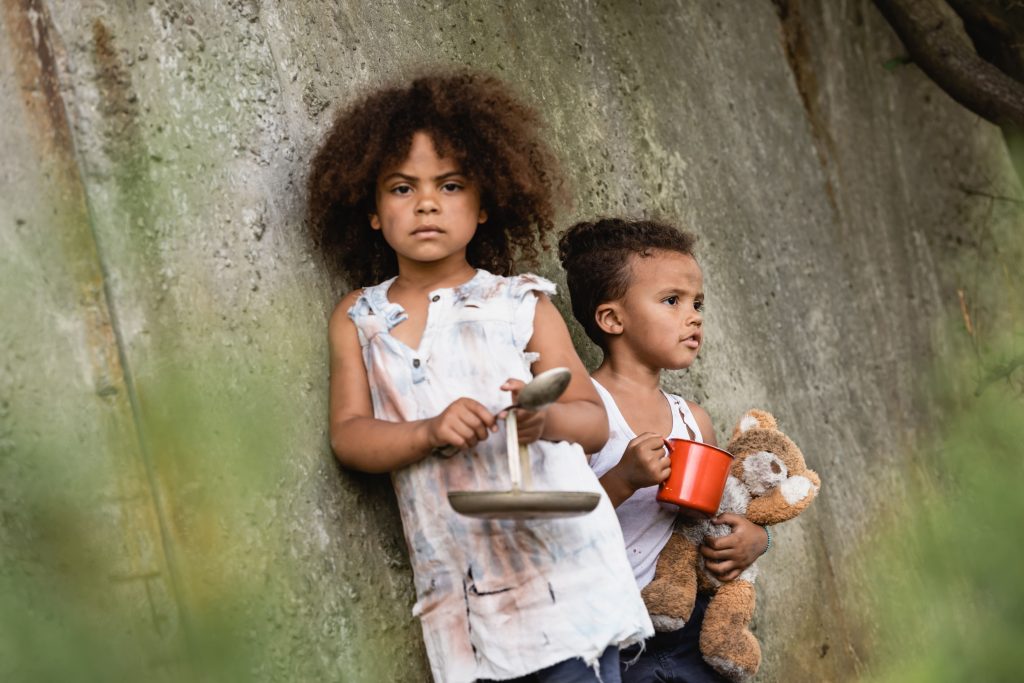
It’s understandable that parents feel proud when their children assert boundaries around their belongings, interpreting it as confidence or self-possession. Yet when a child consistently refuses to share toys or space, it can isolate them from peers and limit social bonding.
Sharing is more than giving things away; it’s a fundamental practice of empathy, cooperation, and trust.
Parents can nurture these skills through modeling generosity and framing sharing as a joyful choice rather than a forced obligation. Teaching children to express their feelings about sharing also helps: “I feel sad when I can’t play with that toy, can I have a turn next?”
If you want to explore emotional energy blocks that can quiet intimacy and sharing in relationships, you might find our article on Why Your Desire Disappeared: 7 Energetic, Spiritual, Emotional Blocks That Quiet Intimacy insightful.
4. Talking Back or Being Sassy: Charm or Disrespect?

Children’s clever or sassy remarks often get chuckles and pats on the back at home. Parents might admire their kid’s quick wit or humor. But this can sometimes cross into disrespectful territory if unchecked.
Sass, when wielded without empathy or timing, can erode trust and make communication difficult with peers and adults.
Parents can teach respectful communication by acknowledging a child’s feelings while setting clear boundaries about tone and intent. Role-playing scenarios where children practice expressing disagreement respectfully can be especially effective.
For deeper insights into navigating subtle manipulation in relationships, the article 7 Fake Nice Gestures Men Use to Manipulate You Into Thinking He’s a Good Guy When He’s Not offers illuminating perspectives on reading between the lines skills useful for all ages.
5. Using Parents as Shields: Undermining Authority Figures
Hearing your child say, “My mom says I don’t have to do that,” can evoke a proud smile of allegiance. However, this behavior can undermine authority figures like teachers, coaches, or relatives, causing confusion and inconsistency.
Parents can reinforce the importance of respecting other adults’ rules by creating a united front. Discussing consequences calmly and consistently teaches children that respect and responsibility are non-negotiable, no matter the context.
This dynamic ties deeply into emotional boundaries and energetic safety, topics we cover in The Energetic Cost of Pretending: 11 Lies Parents Tell Each Other.
6. Claiming Everything as Theirs: Possessiveness Over Possessions
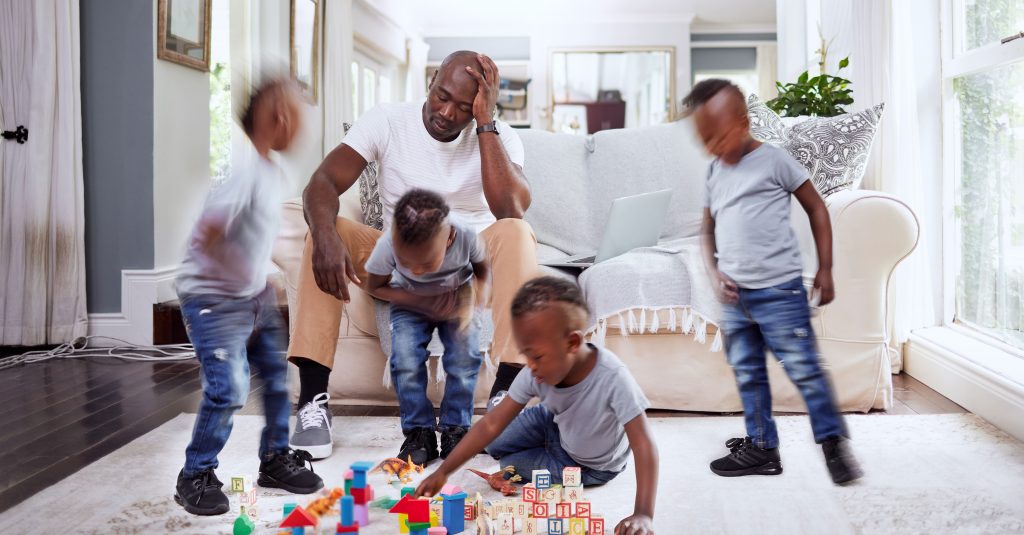
It’s normal for children to learn ownership and develop attachments to their belongings. But when this possessiveness leads to constant conflict or refusal to share, it signals a need for guidance.
Helping children label their feelings such as jealousy or fear of loss can open conversations about empathy and cooperation.
Parents can encourage communal play and create opportunities for sharing in low-stress settings to build these skills organically.
For a broader perspective on emotional exhaustion that sometimes fuels possessiveness, our article on 11 Subtle Signs You’re Emotionally Exhausted and How to Reclaim Your Energy explores reclaiming emotional balance.
7. Being Picky Eaters: Cute Fussiness or Nutritional Risk?
Children’s food preferences often amuse parents, especially when accompanied by funny faces or creative refusals. But persistent picky eating can pose nutritional challenges and family stress.
Rather than forcing foods, parents can encourage curiosity by involving kids in meal planning and preparation. Introducing new foods gradually and making mealtime a positive experience helps broaden tastes.
Understanding the emotional and energetic factors behind food aversions can also be powerful. The guide When Anger Surfaces in Intimacy includes strategies that might assist with emotional blocks that manifest in eating habits.
8. Making Unsolicited Comparisons: Innocence or Insensitivity?

Children often observe differences candidly, asking questions like, “Why don’t you have a pool like we do?” Though innocent, such remarks can embarrass or alienate others.
Teaching children about diversity, gratitude, and kindness encourages empathy. Parents can model this by framing differences as opportunities to learn rather than judge.
For emotional growth through understanding subtle social cues, check out The Unexpected Moments That Make You Second-Guess Divorce.
9. Expecting to Always Get Their Way: Confidence or Entitlement?
Parents often celebrate children’s confidence, but when it turns into expecting constant compliance or special treatment, it can lead to social difficulties.
Teaching patience, delayed gratification, and negotiation prepares children for real-world dynamics where compromise is key.
Practicing empathy and fairness in daily life builds emotional intelligence. You might also explore 5 Soul-Deep Signs He Loves You Unconditionally for insights into unconditional acceptance, a value to model for kids.
10. Rejecting Activities as “Boring”: Growth or Resistance?

Children’s reluctance to participate in certain activities is often dismissed as stubbornness or fussy behavior. Yet this resistance can limit developmental opportunities.
Parents can spark interest by connecting activities to children’s passions or by trying new approaches. Celebrating small wins encourages open-mindedness.
For emotional tools to overcome resistance and build inner resilience, see our 11 Sacred Micro Habits to Stay Calm, Centered, and Balanced Daily.
11. Insisting on Playing Only Their Preferred Games: Control or Comfort?
Children often cling to familiar games because they provide safety and mastery. However, insisting only on their choices can limit social growth and cooperation.
Encouraging turn-taking, introducing new games gradually, and playing together fosters flexibility and social connection.
To deepen your understanding of emotional growth and boundaries, our article on When Parents Stop Parenting Out of Fear of Traumatizing Their Kids offers eye-opening insights.
Why These “Cute” Behaviors Matter Beyond Childhood
Every behavior we tolerate or encourage in childhood plants seeds that grow into adult emotional habits. What feels like harmless “cute” behavior today may become entitlement, poor emotional regulation, or difficulty in relationships tomorrow.
This is why early emotional education, boundary-setting, and consistent guidance are so vital. Children learn not just what to do but how to think about themselves and others.
Fostering emotional sovereignty and social skills from a young age is the greatest gift you can give your child. It leads to healthier friendships, romantic relationships, and workplace success.
Ready to Take Action?
If you recognize these behaviors in your family, you’re not alone — and change is possible. Building emotional awareness and communication skills doesn’t happen overnight but can be nurtured with intention and compassion.
Our Emotional Boundaries Reset Toolkit is designed to help parents and individuals reclaim energy, rebuild intuition, and create healthier relational patterns.
Or if you feel your child’s behaviors reflect deeper emotional or energetic blocks, our guides on Why Your Desire Disappeared and When Anger Surfaces in Intimacy can offer insightful tools for emotional growth.
Final Thoughts
Parenting is a balancing act between unconditional love and necessary limits. It’s a journey of learning how to guide with warmth and wisdom. By recognizing how some “cute” behaviors may hinder your child’s future social and emotional success, you can take confident steps to help them thrive.
When you raise children with emotional intelligence and respect not just indulgence you’re nurturing the next generation of compassionate, resilient adults.
If you want to dive deeper into understanding emotional shifts that the universe might be asking you to make in your parenting or relationships, check out our article on 9 Emotional Shifts the Universe Is Asking You to Make Today If You Want Real Love.
Are you ready to transform your parenting approach and your child’s emotional growth? Reach out to us at ArcaneGuides.com to learn more about how our coaching and toolkit programs can help you build emotional sovereignty and thriving relationships in your family.