
You’re exhausted. The weight of the day sits heavy on your shoulders as you walk through the door, and before you’ve even set down your keys, you hear yourself snap at your seven-year-old for leaving shoes in the hallway. Later, when your child tries to tell you their feelings were hurt, you hear words tumbling out that sound eerily like your own mother: “I guess I’m just the worst parent then.”
That sinking feeling in your stomach? That’s your heart recognizing a pattern you swore you’d never repeat.
Here’s what I know after years of guiding parents through this tender territory: you’re not failing. You’re human. And the fact that you’re reading this means you’re already doing the work that matters most—choosing awareness over autopilot. Today, I’m going to walk you through twelve common patterns that childhood trauma therapists see creating emotional wounds in children, along with gentle shifts you can make starting tonight. Not because you need to be perfect, but because your child simply needs to feel safe.
Why “Safe Parenting” Matters More Than Perfect Parenting
Morgan Pommells, a childhood trauma therapist, reminds us of something crucial: children don’t need flawless parents. They need emotionally safe ones. The difference is profound.
Perfect parenting is an exhausting myth that keeps you performing and second-guessing every choice. Safe parenting is about creating an environment where your child’s nervous system can relax, where they can make mistakes without fear, and where emotions—even big, messy ones—have space to exist.
According to research from the Substance Abuse and Mental Health Services Administration, more than two-thirds of children experience at least one traumatic event by age sixteen. But here’s the hopeful truth: when parents recognize harmful patterns and shift them, they’re not just changing today—they’re rewriting the story their children will carry into adulthood.
The 12 Patterns That Leave Emotional Scars (And How to Shift Them)
1. Walking Through the Door with Yesterday’s Stress
The pattern: You arrive home already depleted, and the first thing your child hears is your frustration—at the mess, at the noise, at their simple existence in your path.
Why it hurts: Your child’s nervous system reads your energy before you’ve spoken a word. When home becomes the place where they brace for impact, their sense of safety erodes. They begin to believe that their presence is a burden, that taking up space invites anger.
The shift: Before you walk through that door, take sixty seconds in your car. Three deep breaths. Name what you’re carrying from work: “I’m frustrated about the meeting. I’m worried about the deadline.” Then consciously set it down. When you enter, even if you can only manage neutral energy, let your first words be connection: “Hey, love. I’m glad to see you. Give me ten minutes to transition and then I’m all yours.”
Tonight’s practice: Set a phone reminder for five minutes before you typically arrive home. Use it as your cue to breathe and reset.
2. Weaponizing Silence When You’re Hurt
The pattern: When you’re upset with your partner or feeling overwhelmed, you go cold. You stop speaking, stop engaging, stop being emotionally present—and your child feels the chill even if the conflict isn’t about them.
Why it hurts: Children are emotional barometers. They sense the silent tension and immediately blame themselves. “What did I do wrong?” becomes their default question. The silent treatment teaches them that love is conditional and can be withdrawn without warning or explanation.
The shift: Name what you’re feeling without dumping it on your child. “I’m feeling frustrated right now about something between me and your dad. It’s not about you, and I’m working through it. I might seem quiet, but I still love you.” This simple acknowledgment keeps them from absorbing responsibility for your emotional state.
Tonight’s practice: If you catch yourself going silent, interrupt the pattern with one sentence of transparency appropriate for your child’s age.
3. Starting Their Day with Aggression

The pattern: You wake your children by yanking off covers, turning on harsh lights, or yelling their name with irritation because you’re running late.
Why it hurts: Imagine waking up to threat signals every morning. Your child’s nervous system jolts from rest into fight-or-flight mode before their eyes are even open. Repeated over months and years, this creates chronic anxiety and makes mornings feel like preparation for battle rather than a fresh start.
The shift: Wake them gently. A hand on their shoulder, soft voice, calm energy. If you’re chronically running late, the problem isn’t your child’s wake-up response—it’s the schedule that needs adjusting. Set your alarm fifteen minutes earlier so you’re not starting the day in panic mode.
Tonight’s practice: Before bed, set two alarms—one for you to wake and center yourself, one to gently wake your child ten minutes later.
4. Playing Favorites Among Your Children
The pattern: One child can do no wrong while the other is always in trouble. One gets praised for B’s while the other’s A’s go unnoticed. The difference is so stark that everyone in the family feels it.
Why it hurts: The “unfavored” child internalizes the message that they’re inherently less worthy of love and attention. The “favorite” often carries guilt and pressure to maintain their position. Both children suffer—one from rejection, one from impossible standards.
The shift: Notice where your attention and praise flow. Make it a practice to find something specific to affirm in each child daily. If you catch yourself comparing them, pause and ask: “Am I responding to this child’s actual behavior, or am I replaying my own childhood dynamics?”
Tonight’s practice: Spend ten minutes of one-on-one time with each child this week doing something they choose. Notice who you naturally gravitate toward and make the conscious choice to balance your presence.
5. Deflecting When They Share Pain
The pattern: Your child gathers courage to tell you that something you said hurt them, and instead of listening, you snap back with, “Well, I guess I’m just the worst mom then” or “You think I’m so terrible.”
Why it hurts: This reversal makes your child responsible for managing your emotions about their pain. They learn that sharing hurt means causing hurt, so they stop sharing. The message becomes: your feelings are a burden, and my fragility matters more than your experience.
The shift: When your child shares that you’ve hurt them, pause. Breathe. Say: “Thank you for telling me. That took courage. Tell me more about what happened for you.” You don’t have to agree that you were wrong (though often we are). You just have to make space for their reality.
Tonight’s practice: If you’ve done this recently, go back to your child and repair it. “Remember when you told me I hurt your feelings and I got defensive? I’m sorry. You deserved to be heard. Can you tell me again what happened for you?”
6. Refusing to Apologize Because You’re the Adult
The pattern: You yelled. You were unfair. You made a mistake. But you don’t apologize because somewhere along the way you learned that apologizing to a child undermines your authority.
Why it hurts: Children who never receive apologies from their parents learn that power means never having to take accountability. They either become adults who can’t apologize, or adults who over-apologize for everything because they’re trying to heal the imbalance they grew up with.
The shift: Apologize simply and specifically when you’ve caused harm. “I’m sorry I yelled at you this morning. You didn’t deserve that. I was stressed about being late, and I took it out on you. That wasn’t fair.” You’re modeling emotional maturity, not weakness.
Tonight’s practice: Think of one recent moment where you acted from stress rather than intention. Apologize for it before bed tonight.
7. Demanding the House Walk on Eggshells Around Your Mood
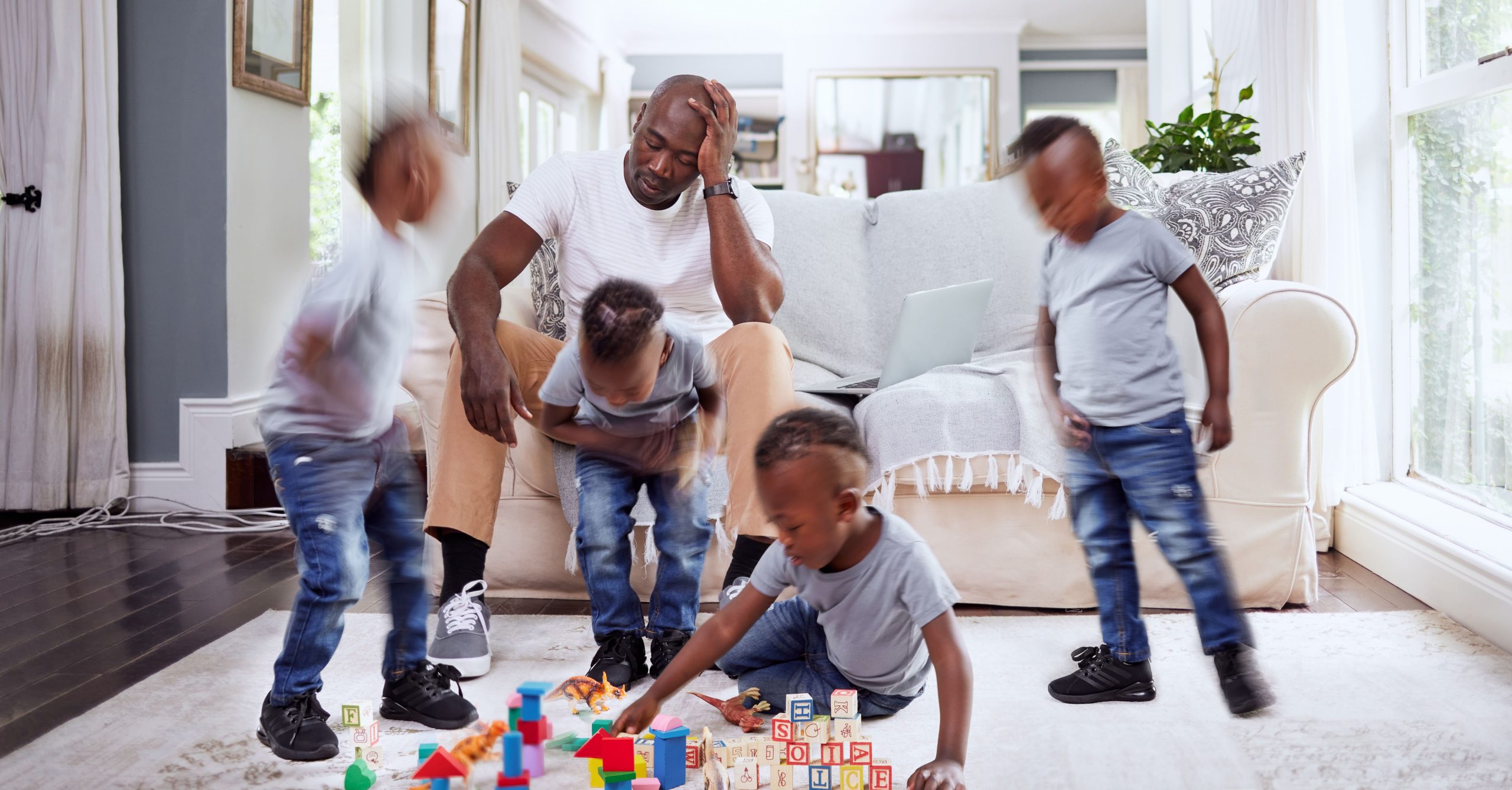
The pattern: When you’re having a bad day, everyone knows it and adjusts accordingly. Voices lower. Laughter stops. Your children scan your face to determine how they need to show up.
Why it hurts: Your child learns that other people’s emotions are more important than their own authentic expression. They become expert mood-readers who prioritize keeping the peace over knowing what they actually feel. This creates adults who shape-shift in relationships and lose touch with their own needs.
The shift: Own your mood without making it everyone else’s responsibility to tiptoe around it. “I’m in a grumpy mood today because of work stress. That’s my thing to handle, not yours. You can still be your loud, wonderful self.”
Tonight’s practice: The next time you’re in a bad mood, say it out loud and release your family from managing it for you.
8. Failing to Protect Them from Harm—Even When the Harm Comes from the Other Parent
The pattern: Your partner speaks cruelly to your child, or worse, and you stay silent. You tell yourself you’re keeping the peace, or that your child needs to learn to handle criticism, or that you’ll address it later in private.
Why it hurts: Silence in the face of harm is its own form of betrayal. Your child learns that no one is coming to protect them, that their pain doesn’t matter enough to risk conflict. They either become adults who accept mistreatment as normal, or they cut off from family entirely to survive.
The shift: Intervene in the moment. “That’s not okay. We don’t speak to people we love that way.” It doesn’t have to be dramatic or confrontational, but it does have to be clear. Later, have the harder conversation with your partner about what needs to change.
Tonight’s practice: If you’ve been silent when you should have spoken, acknowledge it to your child. “I should have said something when [X happened]. That wasn’t okay, and you deserved protection. I’m working on doing better.”
9. Leaning on Your Child for Emotional Support Like They’re Your Partner
The pattern: You share the intimate details of your marriage struggles, your financial worries, your loneliness. You cry on their shoulder. You make them your confidant and closest emotional support.
Why it hurts: This is called “emotional incest” or “parentification,” and it steals your child’s childhood. They become hyper-responsible, anxious, and unable to trust adults to handle adult problems. They grow up feeling responsible for everyone’s emotional well-being except their own.
The shift: Find adult support for adult problems. Therapist, friend, partner, support group—anywhere but your child’s shoulders. When you catch yourself starting to overshare, redirect: “Actually, that’s a grown-up worry. What I want to hear about is your day.”
Tonight’s practice: If you’ve been using your child as emotional support, have an honest conversation. “I’ve shared too much with you about things that aren’t your job to carry. That wasn’t fair. From now on, I’m going to handle grown-up stuff with other grown-ups.”
10. Treating Them Unfairly Because “Life Isn’t Fair”
The pattern: You justify inconsistent rules, harsh consequences, or arbitrary decisions by telling your child that you’re preparing them for a cruel world.
Why it hurts: Home should be the place where fairness, consistency, and compassion are modeled—not where cruelty is practiced as training. Your child doesn’t learn resilience from unjust treatment at home; they learn that the people who claim to love them most can’t be trusted.
The shift: Be fair, be consistent, be kind. When the world is unfair to them later, they’ll have an internal compass that says “this isn’t okay” rather than “this is just how it is.” That compass comes from experiencing fairness at home.
Tonight’s practice: Review your household rules. Are they consistent? Do you apply them equally? If not, gather the family and clarify what’s actually expected.
11. Seeing Your Child as an Extension of Yourself
The pattern: You make decisions based on how they reflect on you. You push them toward achievements that fulfill your unlived dreams. When they struggle or fail, you take it personally because their life feels like a referendum on your worth as a parent.
Why it hurts: Your child learns that their value lies in performance and in being who you need them to be. They lose touch with their own desires, their own path, their own identity separate from your expectations.
The shift: Regularly remind yourself: this is their life, not yours. Your job is to guide them toward becoming the fullest version of themselves, not a perfected version of you. Ask them what they want, what they love, what they dream about—and listen like their answer matters more than your hopes for them.
Tonight’s practice: Ask your child one question you’ve never asked before about who they are and what they want. Then just listen.
12. Expecting Gratitude for Basic Care
The pattern: When your child expresses a need or complaint, you respond with, “You should be grateful I put a roof over your head and food on the table. Some kids have nothing.”
Why it hurts: Food, shelter, and safety aren’t gifts to be earned through gratitude—they’re the baseline requirements of choosing to bring a child into the world. When you weaponize basic care, your child learns that having needs makes them ungrateful, that asking for emotional connection is selfish, that they should accept crumbs and call it a feast.
The shift: Provide the basics without expecting a medal. Foster genuine gratitude by modeling it yourself and by creating a home where needs are met with responsiveness, not resentment.
Tonight’s practice: If you’ve said something like this, repair it. “When I said you should be grateful for [basic need], that wasn’t fair. You deserve food and shelter, period. If there’s something else you need from me, I want to hear it.”
The Path Forward: Breaking Cycles with Compassion
Here’s what I want you to understand: nearly every parent repeats patterns they swore they’d never inflict on their own children. This isn’t failure. This is how intergenerational trauma works—it lives in our bodies, in our automatic responses, in the scripts we heard so often they feel like truth.
The difference between parents who perpetuate harm and parents who break cycles isn’t perfection. It’s willingness to look at the uncomfortable truths, to apologize when you miss the mark, to keep choosing repair over defensiveness.
Morgan Pommells reminds us that most parents are doing the absolute best they can, and most harmful patterns operate at a subconscious level. But awareness is the first step toward change. And you’re already here, already reading, already brave enough to ask: What am I passing down that I don’t want to pass down?
Your Seven-Day Practice: The Repair Revolution
For the next week, commit to one small practice:
Day 1-2: Notice when you react from stress rather than intention. Just notice. Don’t judge, don’t fix. Just become aware of the moment between trigger and response.
Day 3-4: When you catch yourself in an old pattern, pause and name it—even if only to yourself. “I’m yelling because I’m overwhelmed, not because this situation warrants yelling.”
Day 5-6: Apologize for one thing. Repair one moment where you acted from wounding rather than love.
Day 7: Ask your child, “Is there anything I do that makes you feel scared or small or unimportant?” Then breathe, and listen like their truth is medicine.
Change doesn’t require perfection. It requires presence, humility, and the radical decision to love your children differently than you were loved.
Ready to start healing? Download your free The-Healing-Home-Toolkit with repair scripts, reflection prompts, and a 7-day gentle practice guide. You can also reach out to us for a free consultation.